เหตุใดร้านซูชิและเมนูโอมากาเสะมื้อกลางวันสุดลับแห่งนี้ในกินซ่าจึงเป็นความลับที่ดีที่สุดของโตเกียว
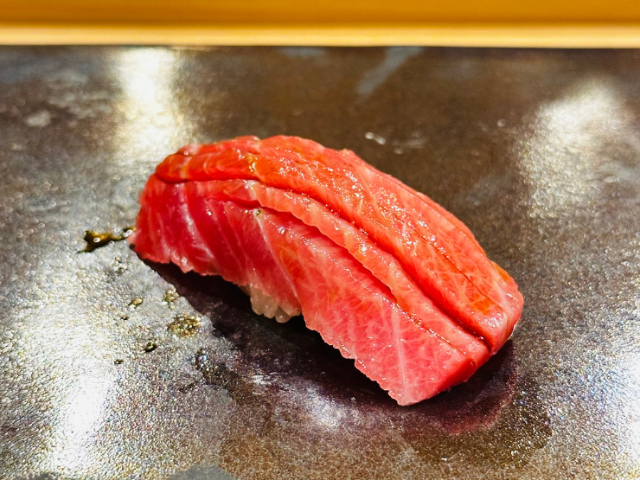

เคล็ดลับการทำอาหารที่ดีที่สุดของ โตเกียว: ร้านอาหารลับที่ซ่อนอยู่ใต้กินซ่า
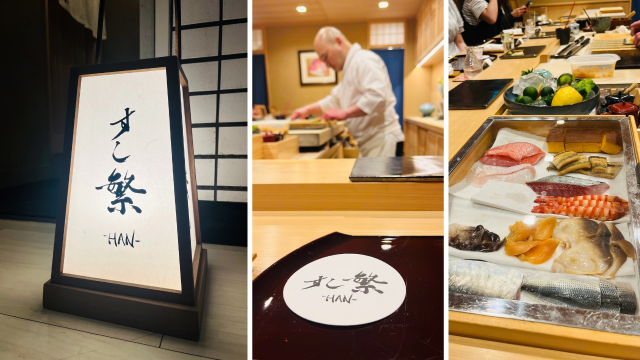
สิ่งหนึ่งที่ฉันได้เรียนรู้เกี่ยวกับวงการอาหารของโตเกียวก็คือ ร้านอาหารที่ดีที่สุดบางแห่งของเมืองนี้ซ่อนตัวอยู่ในที่ที่คุณคาดไม่ถึง ไม่ได้อยู่ตามหัวมุมถนนที่ฉูดฉาด และไม่ได้อยู่หลังป้ายขนาดใหญ่ที่พยายามดึงดูดนักท่องเที่ยว แต่ส่วนใหญ่มักจะซ่อนตัวอยู่บนชั้นบนๆ หรือใต้ดินในห้องใต้ดินที่เงียบสงบ โดยมีเพียงป้ายเล็กๆ อยู่ใกล้ลิฟต์เท่านั้น ร้าน Sushi HAN ก็เป็นร้านแบบนั้นเช่นกัน
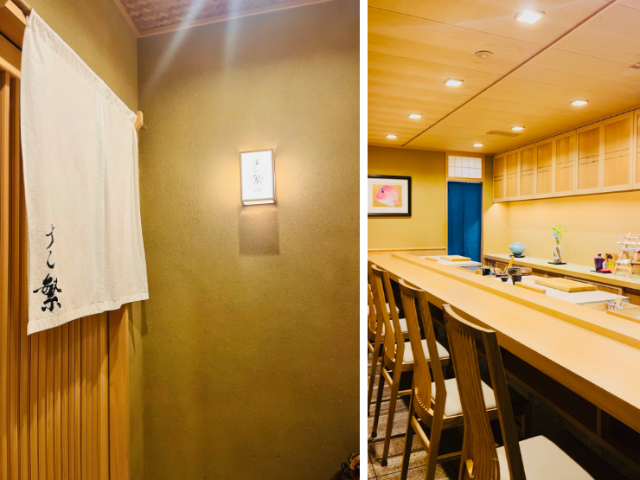
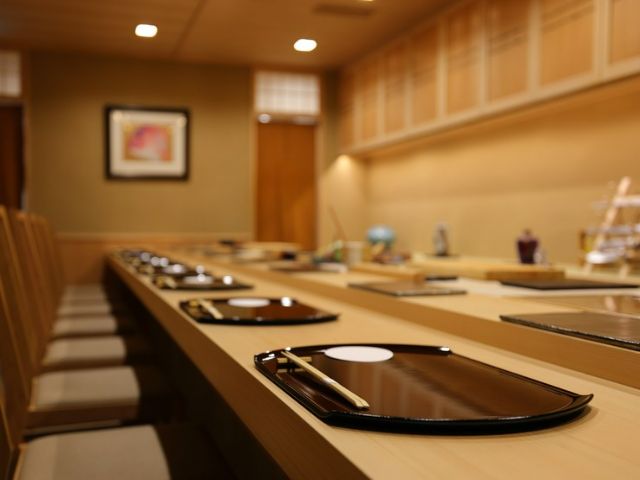
บรรยากาศที่สงบเงียบสร้างความประทับใจได้ทันที แสงไฟอ่อนๆ สะท้อนจากเคาน์เตอร์ขัดเงา ทำให้ห้องดูอบอุ่นและหรูหราโดยไม่ทำให้รู้สึกเกรงขาม และมีความมั่นใจอย่างเงียบๆ ที่คุณมักสังเกตเห็นในร้านอาหารชั้นเลิศอย่างแท้จริง ไม่มีอะไรที่ดูฉูดฉาดหรือออกแบบมาเพื่อสร้างความประทับใจมากเกินไป เพราะไม่จำเป็นต้องเป็นเช่นนั้น คุณภาพจะบ่งบอกทุกอย่างได้เอง และมันก็เป็นเช่นนั้นจริงๆ
ซูชิ -ฮัน-
ปิด:วันจันทร์
ราคาเฉลี่ย:[Dinner] 20,000 JPY / [Lunch] 10,000 JPY
การเดินทาง:เดิน 2 นาทีจาก สถานี Ginza บนสาย โตเกียว Metro / เดิน 3 นาทีจาก สถานี Higashi-ginza บนสาย โตเกียว Metro
ที่อยู่:ชั้น B1 อาคารอาซูมะ 5-9-17 กินซ่า ชูโอ-คุ โตเกียว แผนที่
ดูรายละเอียดเพิ่มเติมการจอง
เหตุใดการจองอาหารกลางวันแบบโอมากาเสะใน โตเกียว จึงเป็นการตัดสินใจที่ชาญฉลาดที่สุด
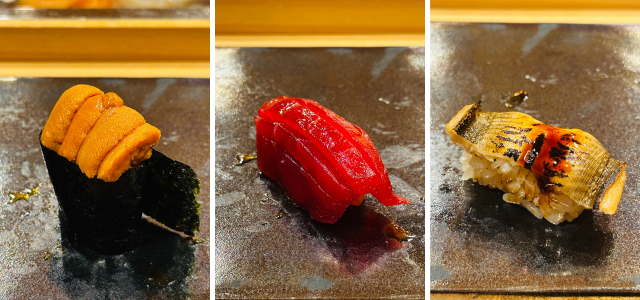
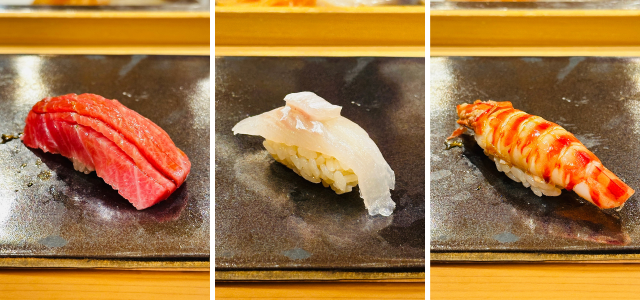
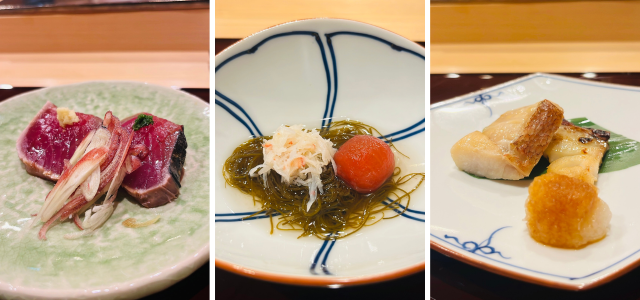
นั่นคือสิ่งที่เราทำที่ร้าน Sushi HAN และมันกลายเป็นหนึ่งในการตัดสินใจรับประทานอาหารที่ดีที่สุดที่เราเคยทำใน โตเกียว เราเลือกคอร์สโอมากาเสะมื้อกลางวัน 18 อย่าง ราคา 13,200 เยน (รวมภาษี) และตั้งแต่เริ่มต้น เรารู้สึกได้ถึงความประณีตและหรูหราไม่ต่างจากบริการอาหารค่ำระดับไฮเอนด์เลย คอร์สโอมากาเสะมักจะมีอาหารจานอื่นๆ รวมอยู่ด้วย ซึ่งเป็นสิ่งที่ฉันชอบมาก
ซูชิที่สดใหม่ที่สุดเท่าที่เราเคยลิ้มลองมา
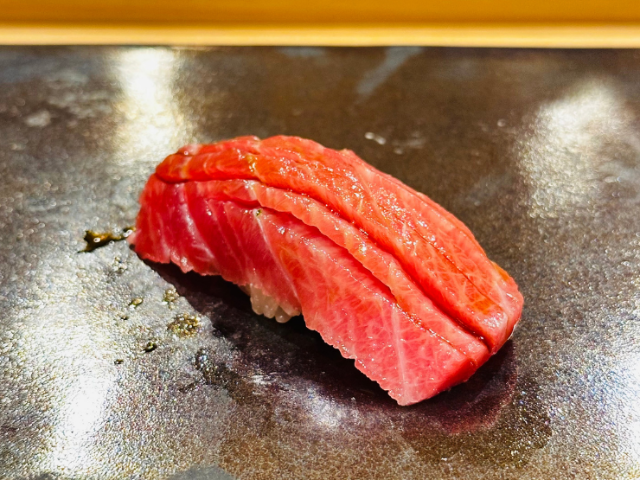
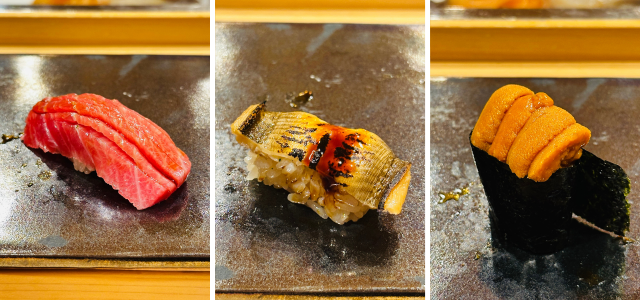
แน่นอนว่า ไม่ว่าบรรยากาศจะสวยงามแค่ไหน หรือฝีมือของเชฟจะน่าประทับใจเพียงใด สิ่งที่สำคัญที่สุดก็คือซูชินั่นเอง และนี่คือซูชิที่สดใหม่ที่สุดที่เราเคยทานมา ทุกชิ้นที่เสิร์ฟมาตรงหน้าเรานั้นยอดเยี่ยมมาก เนื้อปลาสดอย่างไม่น่าเชื่อ นุ่มละมุนลิ้นจนแทบจะละลายในปากทันที
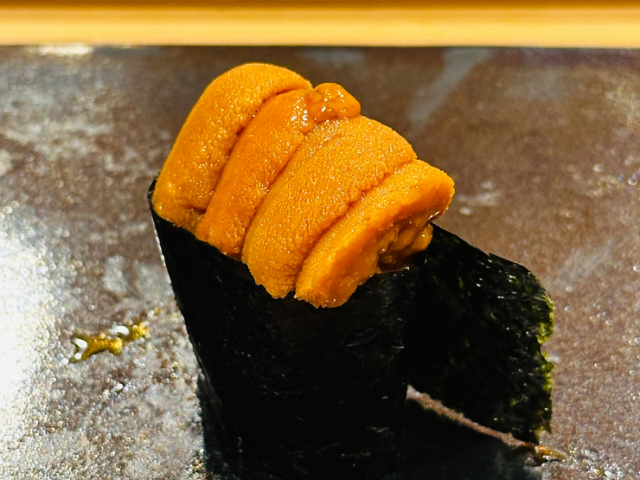
นี่คือซูชิชนิดที่ทำให้คุณต้องหยุดคิดหลังจากกัดคำแรก เพื่อชื่นชมความอร่อยอย่างเหลือเชื่อ รสชาติสะอาด บริสุทธิ์ และเข้มข้นอย่างไม่น่าเชื่อโดยไม่รู้สึกหนักท้องเลย
ไม่จำเป็นต้องใช้ซอสปรุงแต่งรสชาติหรือเครื่องปรุงที่ไม่จำเป็น เมื่อวัตถุดิบดีขนาดนี้ ความเรียบง่ายก็เพียงพอแล้ว
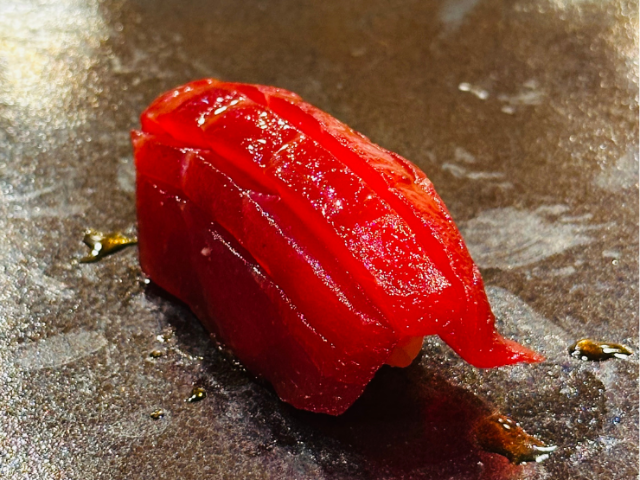
ข้าวคลุกน้ำส้มสายชูแดงก็อร่อยไม่แพ้กัน ปรุงรสได้อย่างลงตัว มีรสเปรี้ยวพอเหมาะ ช่วยเสริมรสชาติของปลาโดยไม่กลบรสชาติอื่น และปั้นแต่งได้อย่างประณีต ทำให้แต่ละคำคงรูปอยู่ได้นานพอสมควรก่อนที่จะละลายในปากอย่างนุ่มนวล
ความสมดุลนั้นเองที่เป็นสิ่งที่แยกซูชิชั้นเลิศออกจากซูชิที่ดีธรรมดา มันเป็นรายละเอียดเล็กน้อย แต่เมื่อคุณได้สัมผัส คุณจะเข้าใจความแตกต่างได้ทันที ซูชิทุกชิ้นดูพิถีพิถัน ทุกคำที่กัดเข้าไปให้ความรู้สึกสมดุลอย่างสมบูรณ์แบบ
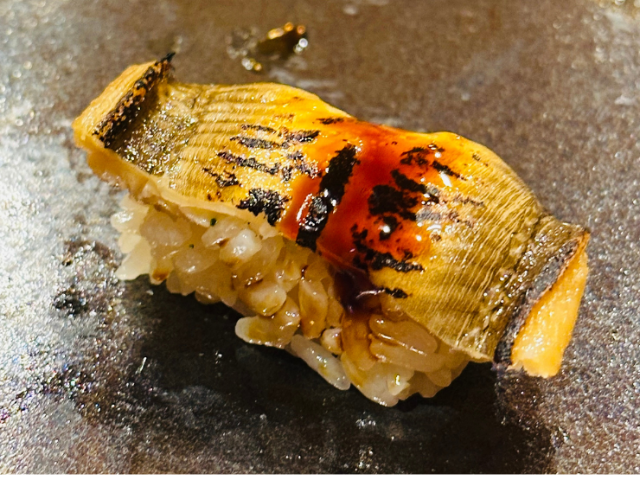
ระหว่างมื้ออาหาร มีหลายช่วงที่เราทั้งคู่หยุดชะงักไปชั่วครู่หลังจากกัดคำแรก เพื่อชื่นชมความอร่อยอย่างเหลือเชื่อของมัน การหยุดชะงักแบบนั้นบอกอะไรได้หลายอย่าง และแม้แต่แฟนของฉันซึ่งเป็นคนญี่ปุ่นและมีมาตรฐานซูชิสูงมาก ก็ยังมองฉันด้วยสายตาที่บอกว่า: โอเค...นี่มันอร่อยจริงๆ
เรียบง่าย หรูหรา และอร่อยอย่างเหลือเชื่อ เป็นมื้ออาหารที่ทำให้คุณเข้าใจว่าทำไม โตเกียว ถึงได้ชื่อว่าเป็นเมืองหลวงแห่งซูชิของโลก
ซูชิ -ฮัน-
ปิด:วันจันทร์
ราคาเฉลี่ย:[Dinner] 20,000 JPY / [Lunch] 10,000 JPY
การเดินทาง:เดิน 2 นาทีจาก สถานี Ginza บนสาย โตเกียว Metro / เดิน 3 นาทีจาก สถานี Higashi-ginza บนสาย โตเกียว Metro
ที่อยู่:ชั้น B1 อาคารอาซูมะ 5-9-17 กินซ่า ชูโอ-คุ โตเกียว แผนที่
ดูรายละเอียดเพิ่มเติมการจอง
เมนูเด็ดที่เหนือความคาดหมาย: พานาคอตต้ามะม่วง
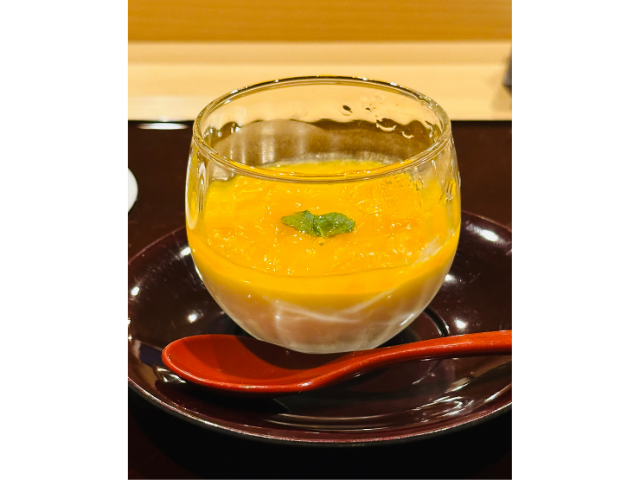
พานาคอตต้ามะม่วง เรามาที่นี่โดยคาดหวังว่าจะได้ทานซูชิที่อร่อยเลิศ เราไม่ได้คาดหวังว่าของหวานจะเป็นหนึ่งในไฮไลท์ของมื้ออาหารทั้งหมด แต่ที่จริงแล้วมันเป็นเช่นนั้นจริงๆ
เนื้อเนียนนุ่ม ละมุนละไม ครีมมี่อย่างลงตัว และหวานกำลังดี ให้ความรู้สึกสดชื่นแต่ไม่เบาจนเกินไป และอิ่มเอมใจแต่ไม่หนักท้อง หลังจากทานอาหารโอมากาเสะที่ลงตัวอย่างสวยงามแล้ว นี่คือของหวานที่ปิดท้ายได้อย่างยอดเยี่ยม เป็นของหวานที่ทำให้คุณอยากทานอีกจานทันที
มันเรียบง่าย หรูหรา และไร้ที่ติอย่างแท้จริง ยอดเยี่ยมมาก ให้คะแนนเต็ม 10/10 เลย แม้จะผ่านไปหลายชั่วโมงแล้ว เราก็ยังพูดถึงมันอยู่ นั่นแสดงว่ามันน่าจดจำมากแค่ไหน
การได้ชมเชฟทำอาหารนั้นเป็นประสบการณ์ที่น่าประทับใจอย่างยิ่ง
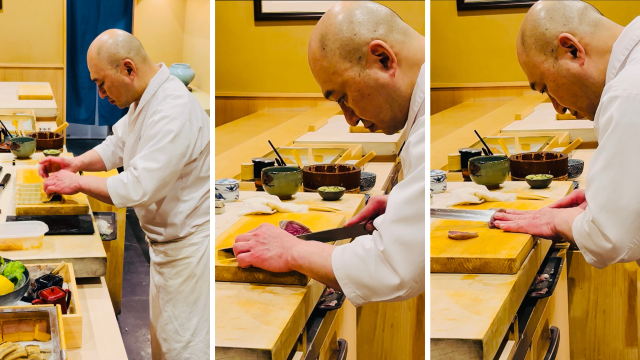
หนึ่งในส่วนที่น่าสนใจที่สุดของการนั่งทานซูชิที่เคาน์เตอร์คือ คุณไม่ได้แค่ทานอาหาร แต่คุณกำลังชมศิลปะการทำซูชิที่เกิดขึ้นแบบเรียลไทม์ ที่ร้าน Sushi HAN การได้ชมเชฟทำซูชิเป็นประสบการณ์ที่น่าจดจำไม่แพ้การได้ทานซูชิเองเลย
ร้านอาหารเกือบเต็ม และแขกแต่ละคนก็อยู่ในขั้นตอนการรับประทานอาหารที่แตกต่างกัน บางคนเพิ่งเริ่มทานอาหารเรียกน้ำย่อย บางคนก็ทานนิกิริไปได้ครึ่งทางแล้ว และถึงแม้ทุกอย่างจะเกิดขึ้นพร้อมกัน เชฟก็ไม่พลาดจังหวะเลยสักนิด เขายังจำได้แม่นยำว่าแขกแต่ละคนควรได้รับอาหารจานไหนต่อไป และเปลี่ยนระหว่างการเตรียมอาหารได้อย่างราบรื่นด้วยความแม่นยำและใจเย็น
การเฝ้ามองเขานั้นราวกับถูกสะกดจิต ทุกการเคลื่อนไหวดูง่ายดายเหลือเกิน วิธีที่เขาหั่นปลา จัดแต่งข้าว ปรับแต่ละชิ้นด้วยแรงกดเบาๆ และจัดจานทุกอย่างด้วยความตั้งใจอย่างแท้จริง ทำให้เห็นได้ชัดว่านี่ไม่ใช่แค่การทำอาหารธรรมดา แต่เป็นความเชี่ยวชาญที่สร้างขึ้นจากวินัยและการฝึกฝนซ้ำๆ มานานหลายปี
ไม่มีการเคลื่อนไหวที่สูญเปล่า ไม่มีลังเล มีแต่ความมั่นใจและการควบคุมอย่างสมบูรณ์แบบ ฝีมือระดับนี้เปลี่ยนซูชิให้กลายเป็นสิ่งที่ยิ่งใหญ่กว่าอาหาร มันกลายเป็นทั้งการแสดง พิธีกรรม และศิลปะไปพร้อมๆ กัน และการได้นั่งดูมันเกิดขึ้นตรงหน้าเรา ทำให้ทุกคำที่กินเข้าไปมีความหมายมากยิ่งขึ้น
รายละเอียดเล็กๆ น้อยๆ เหล่านั้นแหละที่ทำให้มันพิเศษ
สิ่งที่ทำให้ประสบการณ์นี้ยิ่งน่าจดจำมากขึ้นไม่ใช่แค่ซูชิที่อร่อยเหลือเชื่อหรือฝีมืออันน่าทึ่งของเชฟ แต่เป็นการใส่ใจในรายละเอียดอย่างพิถีพิถันตลอดทั้งมื้ออาหาร ขณะที่เรากำลังรับประทานอาหารอยู่ มีคู่รักคู่หนึ่งนั่งอยู่ที่เคาน์เตอร์ฉลองวันเกิด เมื่อพวกเขาทานอาหารเสร็จ เชฟก็เซอร์ไพรส์พวกเขาด้วยโน้ตอวยพรวันเกิดที่เขียนด้วยลายมือเล็กๆ และเทียนที่วางไว้ข้างๆ ของหวาน
มันเป็นเพียงท่าทางที่เรียบง่าย แต่กลับสื่อถึงความใส่ใจของร้านอาหารได้อย่างมากมาย ไม่มีส่วนใดที่ดูฝืนหรือเสแสร้ง มันเงียบสงบ สง่างาม และแสดงถึงความเอาใจใส่อย่างแท้จริง เข้ากับบรรยากาศของร้านอาหารได้อย่างลงตัว การได้เห็นช่วงเวลานั้นทำให้เห็นชัดเจนว่า Sushi HAN ไม่ได้มุ่งเน้นแค่การเสิร์ฟอาหารที่ยอดเยี่ยมเท่านั้น แต่พวกเขายังใส่ใจอย่างแท้จริงในการสร้างประสบการณ์พิเศษให้กับลูกค้าอีกด้วย
มันเป็นสัมผัสที่งดงามมาก และเป็นรายละเอียดเล็กๆ น้อยๆ ที่คุณจะจดจำไปนานหลังจากทานอาหารเสร็จแล้ว ในเมืองที่เต็มไปด้วยร้านอาหารที่น่าทึ่งมากมาย ความอบอุ่นและความเอาใจใส่เล็กๆ น้อยๆ เหล่านี้แหละที่ทำให้ร้านอาหารนั้นโดดเด่นและน่าจดจำอย่างแท้จริง
เหตุใดร้านอาหารแห่งนี้จึงเป็นร้านอาหารที่คุณควรไปลองใน โตเกียว
ตั้งแต่ทำเลที่ซ่อนตัวอยู่ในชั้นใต้ดินและบรรยากาศที่เป็นกันเอง ไปจนถึงความแม่นยำอันน่าทึ่งของเชฟ ซูชิที่สดใหม่เหลือเชื่อ และพานาคอตต้ามะม่วงที่ยากจะลืมเลือน มื้ออาหารนี้จึงยอดเยี่ยมตั้งแต่ต้นจนจบ มันสะท้อนให้เห็นถึงสิ่งที่ทำให้การรับประทานอาหาร โตเกียว มีความพิเศษอย่างแท้จริง: ความเป็นเลิศที่เงียบสงบ ไม่มีการโฆษณาเกินจริง ไม่มีรูปแบบการนำเสนอที่ฉูดฉาด มีเพียงฝีมืออันยอดเยี่ยมและวัตถุดิบที่ปล่อยให้เปล่งประกายด้วยตัวของมันเอง
ถ้าคุณวางแผนจะไปเที่ยว โตเกียว และอยากสัมผัสประสบการณ์ซูชิแท้ๆ ที่ให้ความรู้สึกพิเศษอย่างแท้จริง อย่าไปร้านที่นักท่องเที่ยวรู้จักกันดี ลองมองหาร้านที่ไม่ค่อยมีคนรู้จัก จองมื้อกลางวัน เชื่อมั่นในฝีมือเชฟ และถ้าของหวานมีพานาคอตต้าโฮมเมดด้วยล่ะก็ อย่าพลาดเด็ดขาด!
ข้อคิดส่งท้าย
เนื่องจากเป็นร้านอาหารยอดนิยม จึงแนะนำให้จองล่วงหน้าเป็นอย่างยิ่ง SAVOR JAPAN ช่วยให้คุณจองโต๊ะได้อย่างสะดวกสบายด้วยภาษาอังกฤษ จีน ตัวย่อ จีน ตัวเต็ม และ อาหารเกาหลี ทำให้ผู้มาเยือนจากทั่วโลกสามารถสัมผัสประสบการณ์ร้านซูชิชั้นเลิศแห่งนี้ได้อย่างง่ายดาย
ซูชิ -ฮัน-
ปิด:วันจันทร์
ราคาเฉลี่ย:[Dinner] 20,000 JPY / [Lunch] 10,000 JPY
การเดินทาง:เดิน 2 นาทีจาก สถานี Ginza บนสาย โตเกียว Metro / เดิน 3 นาทีจาก สถานี Higashi-ginza บนสาย โตเกียว Metro
ที่อยู่:ชั้น B1 อาคารอาซูมะ 5-9-17 กินซ่า ชูโอ-คุ โตเกียว แผนที่
ดูรายละเอียดเพิ่มเติมการจอง
คำชี้แจง: ข้อมูลที่ปรากฏทั้งหมดเป็นข้อมูลที่ถูกต้องในขณะเผยแพร่
ขอบคุณที่อ่านบทความของเรา
เป้าหมายของเราคือการพาคุณก้าวไปสู่อีกระดับของประสบการณ์การรับประทานอาหารโดยช่วยให้คุณค้นหาร้านอาหารที่ดีที่สุด ด้วย SAVOR JAPAN คุณสามารถค้นหาและจองโต๊ะได้
ร้านซูชิและ ปลาดิบซาชิมิ / อาหารทะเล ที่ตั้งอยู่ในและรอบๆ กินซ่า ซึ่งจะตอบสนองความต้องการของคุณได้อย่างแน่นอน
ค้นหาร้านอาหารซูชิ ปลาดิบซาชิมิ / อาหารทะเล เพิ่มเติมตามพื้นที่
- เขต โตเกียว
- ใกล้โตเกียว
- พื้นที่ เกียวโตและโอซากะ
- พื้นที่ ฮอกไกโด
- ตอนหนือของเกาะฮอนชู (โทโฮะกุ)
- ตอนกลางของเกาะฮอนชู (จูบุ)
- ทางตะวันตกของเกาะฮอนชู (จูโงะกุ)
- ชิโกะกุ
- คีวชู
- หมู่เกาะ โอะกินะวะ และริวกิว
ค้นพบร้านอาหารญี่ปุ่นและอาหารญี่ปุ่นเพิ่มเติมตามพื้นที่
คำค้นหา
บทความที่เกี่ยวข้อง
-
สัมผัสประสบการณ์อาหารญี่ปุ่นแท้ๆ จาก 5 ร้านอาหารชื่อดังในกินซ่า เมืองแห่งผู้ใหญ่
เมื่อคุณมาเยือน โตเกียว ย่านที่พลาดไม่ได้คือกินซ่า เรียงรายไปด้วยห้างสรรพสินค้าและร้านแฟล็กชิปของแบรนด์ระดับไฮเอนด์ กินซ่ายังเต็มไปด้วยร้านอาหารหรูที่เสิร์ฟรสชาติต้นตำรับ ในย่านที่หรูหราแห่งนี้ ลองสัมผัสประสบการณ์อาหารญี่ปุ่นแบบดั้งเดิมดูไหม? เพลิดเพลินกับซูชิ เทมปุระ สุกี้ยากี้ ชาบูชาบู และอื่นๆ อีกมากมาย ดื่มด่ำกับรสชาติแบบญี่ปุ่นและสร้างความทรงจำอันน่าประทับใจตลอดการเดินทางของคุณ
-
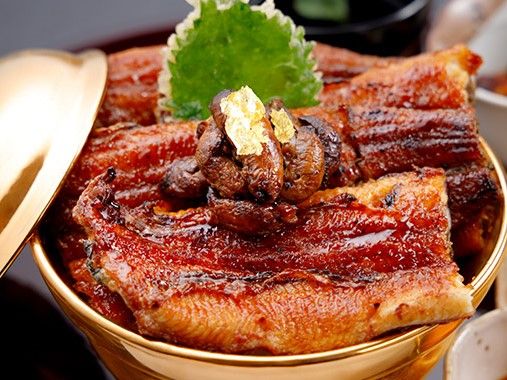
11 ร้านอาหารแนะนำใน โตเกียว ที่คุณจะได้ลิ้มลองข้าวหน้าดงบุริแสนอร่อย
ดงบุริเป็นอาหารญี่ปุ่นยอดนิยมที่ประกอบด้วยข้าวราดด้วยวัตถุดิบต่างๆ เช่น เนื้อสัตว์ ปลา หรือไข่ ใน โตเกียว คุณสามารถหาดงบุริได้หลากหลายชนิด เช่น คัตสึดง โอะยะโกะดง ดงบุริทะเล และเทนดง ซึ่งแต่ละร้านก็มีรสชาติที่เป็นเอกลักษณ์ของตัวเอง แนะนำให้ลองทานดงบุริเป็นอาหารที่เหมาะสำหรับทานระหว่างเดินทาง
-
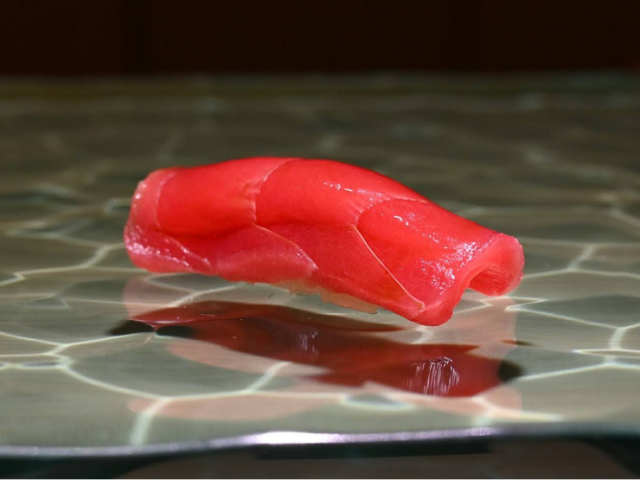
THE SAKAI โตเกียว Kyobashi: ประสบการณ์ซูชิโอมากาเสะที่ผสมผสานกับศิลปะ
สัมผัสประสบการณ์สุดยอดแห่งซูชิที่ถือกำเนิดในเมืองแฟรงก์เฟิร์ต ประเทศเยอรมนี และได้รับการปรับปรุงใหม่ ณ ต้นกำเนิดของซูชิ ร้าน THE SAKAI โตเกียว ซึ่งเป็นส่วนหนึ่งของแบรนด์ที่ได้รับรางวัลมิชลินของเชฟฮิโร ซาไก คือสาขาใหม่ล่าสุดที่สืบทอดมรดกแห่งวัฒนธรรมซูชิระดับนานาชาติ เชิญเยี่ยมชมที่เคียวบาชิเพื่อสัมผัสประสบการณ์การรับประทานอาหารอย่างเต็มรูปแบบที่รังสรรค์ขึ้นด้วยความเคารพต่อแขกจากทั่วโลกและเอกลักษณ์ท้องถิ่น
-
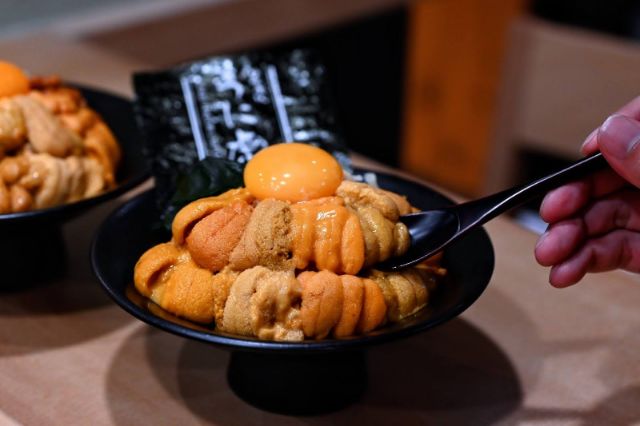
UNITORA Honten : ข้าวหน้าซูชิหอยเม่น Uni ที่น่าตื่นตาตื่นใจในซึกิจิ
คุณคิดว่าคุณสามารถแยกแยะความแตกต่างระหว่างอูนิ 5 ชนิดได้หรือไม่? ที่ร้าน Unitora ร้านขายอูนิระดับพรีเมียมในตลาดสึกิจิ เราได้ลิ้มลองอูนิจากทั่วญี่ปุ่นอย่างเต็มอิ่ม ทั้งอูนิตามฤดูกาลจาก ฮอกไกโด และที่อื่นๆ ร้านนี้เชี่ยวชาญด้านซูชิหน้าดงบุริที่อัดแน่นไปด้วยอูนิเนื้อครีม
-
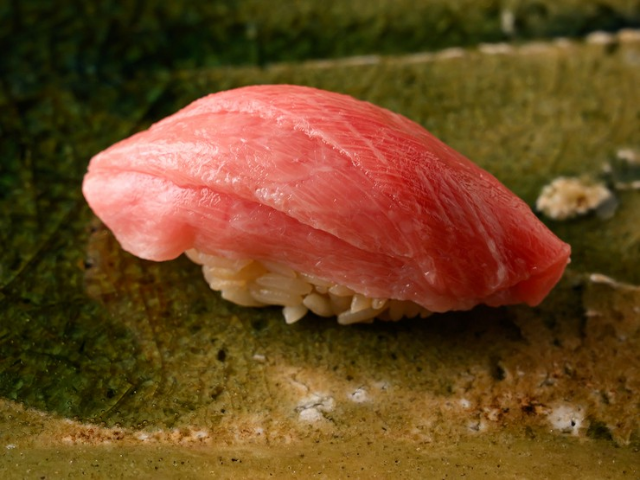
Azabudai Yuuri ร้านซูชิโอมากาเสะแนวใหม่สุดล้ำ ใกล้โตเกียว ทาวเวอร์
เมื่อร้านอาหารตัดสินใจที่จะดึงดูดนักท่องเที่ยวต่างชาติ พวกเขามักจะเลือกเส้นทางใดเส้นทางหนึ่งจากสองเส้นทางนี้: เน้นอาหารที่แขกจากทั่วโลกคุ้นเคย หรือหวังว่าแขกเหล่านั้นจะปรับตัวได้ด้วยการผสมผสานประเพณีญี่ปุ่นเข้าไป ที่ร้านซูชิแห่งใหม่ของเขาใกล้กับเนินเขาอาซาบูไดและหอคอย โตเกียว เชฟใหญ่ ทาคาฮาชิ ยูตะ ใช้ประสบการณ์ในวัยเด็กที่ต่างประเทศมาสร้างสรรค์เส้นทางที่สาม: การทำให้ซูชิสไตล์เอโดะมาเอะมีชีวิตชีวาด้วยภาษาอังกฤษที่ชัดเจนและบุคลิกที่โดดเด่น
![[โตเกียว] สัมผัสประสบการณ์วิวกลางคืนสุดประทับใจ! 6 จุดชมวิวแนะนำและร้านอาหารใกล้เคียง](https://rimage.savorjapan.com/svj/image/discover_oishii_japan/7134/article_head.jpg?t=1780474664)
บทความใหม่
-
A Peaceful Day Trip from Tokyo: Discover the Hidden Charm of Kita-Kamakura
-
อาหารและซูชิ ฮอกไกโด ที่ดีที่สุดใน โตเกียว: Hokkaisushi ถึง โรบาตะ (ย่างถ่าน) Sushiyama Shinjuku
-
![[คู่มือร้านอาหาร โตเกียว] Hibiya Palace | ร้านอาหาร อาหารฝรั่งเศส ในสวนฮิบิยะ: อาหารกลางวัน ราคาเมนู และเคล็ดลับ การจอง](https://rimage.savorjapan.com/svj/image/discover_oishii_japan/7238/article_head_150x105z.jpg?t=1786598582)
[คู่มือร้านอาหาร โตเกียว] Hibiya Palace | ร้านอาหาร อาหารฝรั่งเศส ในสวนฮิบิยะ: อาหารกลางวัน ราคาเมนู และเคล็ดลับ การจอง
-
คู่มือ สถานที่ท่องเที่ยว สำหรับทัวร์คาวาโกะแบบไปเช้าเย็นกลับ | เส้นทางเดินชมเมืองเอโดะเล็ก ใกล้โตเกียว เยี่ยมชมศาลเจ้าฮิคาว่า โทกิ โนะ คาเนะ และร้านขนมคาชิยะ โยโกโช ได้ในทริปเดียว
-
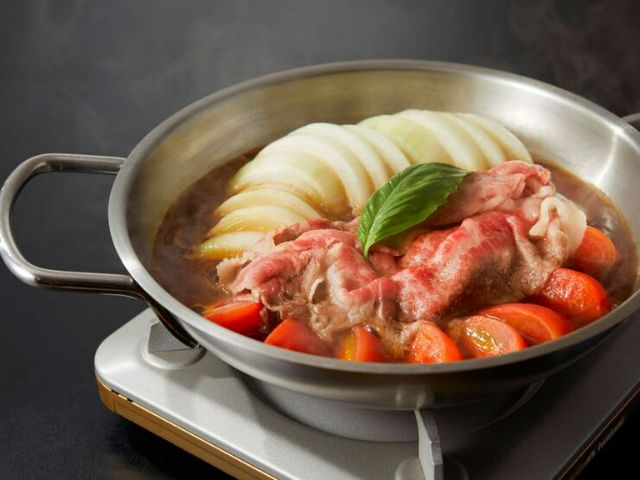
อาหารชุดไคเซกิ Mita Basara Bettei : สุกี้ยากี้เนื้อวา สุกี้ยากี้ญี่ปุ่น วสำหรับมื้อกลางวันที่รปปงหงิ โตเกียว
หมวดหมู่
อาหาร
- Bars (24)
-
Japanese Cuisine (706)
- Kaiseki (50)
- Nabe (22)
- Okonomiyaki (25)
- Shabu Shabu (39)
- Soba (19)
- Sushi (151)
- Tempura (20)
- Teppanyaki (45)
- Shojin Ryori (4)
- Tonkatsu (16)
- Kushiyaki (10)
- Yakitori (46)
- Sukiyaki (37)
- Japanese Cuisine (344)
- Oyster (3)
- Sashimi/ Seafood (34)
- Unagi (eel) (37)
- Motsu Nabe (offal hotpot) (12)
- Mizutaki (chicken hot pot) (4)
- Oden (9)
- Kaisendon (seafood bowl) (12)
- Udon (3)
- Taverns(Izakaya) Cuisine (136)
- Western Cuisine (42)
- Italian/French Cuisine (98)
- Yakiniku/Steak (235)
- Chinese Cuisine (27)
- Ramen (Noodles) Cuisine (25)
- Cafe/Sweets (71)
- Other Asian Cuisine (5)
- Global/International Cuisine (7)
- Alcohol (58)
- Other (11)
พื้นที่
- Shikoku (10)
- Kyoto and Osaka (357)
-
Tokyo (493)
- Tokyo (309)
- Ginza (52)
- Roppongi (27)
- Shibuya (30)
- Shinjuku (52)
- อาซากุสะ (21)
- เอบิสุ (15)
- ซึกิจิ (13)
- สถานที่สำคัญ โตเกียว (5)
- อุเอโนะ (24)
- Akihabara (9)
- อิเคะบุคุโระ (14)
- จิยูกาโอกะ, เดเนนโชฟุ, นากาเมกุโระ (9)
- ชิโมคิตะซาว่า (4)
- คิจิโจจิ (3)
- Tachikawa (1)
- โอโมเตะซันโด ฮาราจูกุ อาโอยามะ (20)
- อากาบาเนะ (1)
- Kagurazaka (4)
- อากาซากะ (10)
- โอไดบะ (2)
- สึกิชิมะ, ฮารุมิ, โทโยสุ (3)
- Near Tokyo (105)
- หมู่เกาะ โอะกินะวะ และริวกิว (59)
- Hokkaido (125)
- ตอนหนือของเกาะฮอนชู (โทโฮะกุ) (31)
- Central Honshu (Chubu) (146)
- ทางตะวันตกของเกาะฮอนชู (จูโงะกุ) (33)
- Kyushu (95)
เอกสารสำคัญ
- September 2026(1)
- August 2026(6)
- July 2026(11)
- June 2026(10)
- May 2026(7)
- April 2026(18)
- March 2026(3)
- February 2026(13)
- January 2026(11)
- December 2025(9)
- November 2025(4)
- October 2025(3)
- September 2025(6)
- August 2025(11)
- July 2025(19)
- June 2025(18)
- May 2025(34)
- April 2025(43)
- March 2025(30)
- February 2025(36)
- January 2025(26)
- December 2024(69)
- November 2024(31)
- October 2024(15)
- September 2024(38)
- August 2024(65)
- July 2024(31)
- June 2024(54)
- May 2024(61)
- April 2024(28)
- March 2024(31)
- February 2024(42)
- January 2024(32)
- December 2023(20)
- November 2023(5)
- October 2023(10)
- September 2023(7)
- August 2023(18)
- July 2023(8)
- June 2023(8)
- May 2023(18)
- April 2023(15)
- March 2023(1)
- January 2023(1)
- April 2022(2)
- March 2022(2)
- February 2022(1)
- January 2022(1)
- July 2021(1)
- March 2021(1)
- February 2021(1)
- December 2020(1)
- October 2020(1)
- September 2020(2)
- August 2020(10)
- July 2020(6)
- June 2020(9)
- May 2020(11)
- April 2020(8)
- March 2020(8)
- February 2020(13)
- January 2020(9)
- December 2019(24)
- November 2019(8)
- August 2019(14)
- July 2019(15)
- June 2019(18)
- May 2019(17)
- April 2019(16)
- March 2019(22)
- February 2019(22)
- January 2019(26)
- December 2018(34)
- November 2018(40)
- October 2018(32)
- September 2018(11)
- August 2018(8)
- July 2018(6)
- June 2018(9)
- May 2018(10)
- April 2018(21)
- March 2018(74)
- February 2018(39)
- January 2018(26)
- December 2017(60)
คำค้นหา
- โอมากาเสะ
- สามารถเข้าถึงได้
- ซื้อได้
- กินได้ไม่อั้น
- ทิวทัศน์ที่น่าทึ่ง
- อะนิเมะ
- ศิลปะ
- ฤดูใบไม้ร่วง
- รางวัล
- สวนเบียร์
- อาหารเช้า
- คำแนะนำจากเชฟ
- ดอกซากุระ
- จีน
- ใกล้ สถานี
- เครื่องปรุง
- เคาน์เตอร์
- คูปอง
- ปู
- วัฒนธรรม
- ดัสไซ
- วันที่
- จัดส่ง
- ต้นฤดูร้อน
- คำแนะนำของบรรณาธิการ
- มีให้บริการเป็นภาษาอังกฤษ
- เหตุการณ์
- เอ็กซ์โป
- ใบไม้ร่วง
- เหมาะสำหรับครอบครัว
- ร้านอาหารชื่อดัง
- สถานที่ท่องเที่ยวที่มีชื่อเสียง
- อาหารจานด่วน
- งานเทศกาล
- ดอกไม้ไฟ
- ฟาร์มดอกไม้
- บริการ Wi-Fi ฟรี
- อาหารฝรั่งเศส
- ที่ตั้งดีเยี่ยม
- แนะนำ
- ฮิบาชิ
- หม้อไฟ
- วิธี
- ไฮเดรนเยีย
- สุขอนามัย
- การส่องสว่าง
- อาหารอิตาเลียน
- อิซากายะ
- ญี่ปุ่น
- แอลกอฮอล์ญี่ปุ่น
- จิงกิสุกัน
- อาหารชุดไคเซกิ
- คัปโปะ
- คูชิอาเกะ
- คุชิคัตสึ
- เกียวโต
- ดึกดื่น
- อาหารกลางวัน
- มารยาท
- มัตสึซากะกิว
- มิชลิน
- มิซึทากิ
- หลักสูตรตัวอย่าง
- มอนจายากิ
- โมตสึนาเบะ
- ภูเขาไฟฟูจิ
- เมนูหลายภาษา
- นาเบะ (หม้อไฟญี่ปุ่น)
- สนามบินนาริตะ
- ปีใหม่
- นินจา
- ก๋วยเตี๋ยว
- โอเด้ง
- โอโคโนมิยากิ
- โอโมเทนาชิ
- บ่อออนเซ็น
- โอซากะ
- โอซากะ สถานี
- สถานที่ถ่ายรูปสวย
- พิซซ่า
- พีอาร์
- ห้องส่วนตัว
- ราเม็ง
- การจัดอันดับ
- สูตรอาหาร
- อาหารประจำภูมิภาค
- รีสอร์ท
- ข้าวหน้าต่างๆ (ดงบุริ)
- สถานที่ศักดิ์สิทธิ์
- สาเก
- ซากุระ
- ซาชิมิ
- เม่นทะเล
- เขตเซโตะอุจิ
- ชาบูชาบู
- เที่ยวชมสถานที่
- จานเด็ดประจำร้าน
- โซบะ
- ยินดีต้อนรับลูกค้าที่มาทานเดี่ยว
- อาหารรสเผ็ด
- ฤดูใบไม้ผลิ
- สเต็ก
- ฤดูร้อน
- ดอกทานตะวัน
- ซูชิ
- ซื้อกลับบ้าน
- เทปปันยากิ
- ที่นั่งบนระเบียง
- โตเกียว
- ประสบการณ์ โตเกียว
- โตเกียว สกายทรี
- โตเกียว ทาวเวอร์
- อุนางิ
- ยูเนสโก
- มังสวิรัติ
- มังสวิรัติ
- วากิว
- เว็บไซต์ยอดนิยมสำหรับนักชิมแนะนำอะไรบ้าง
- วิสกี้
- ไวน์ บาร์
- ฤดูหนาว
- วิสทีเรีย
- เวิร์คช็อป
- แหล่งมรดกโลก
- นักเขียนโลก
- ยากินิกุ (เนื้อย่างสไตล์ญี่ปุ่น)
- โยโชคุ
- ยูบะ
- เซน
ค้นหาร้านอาหารตามพื้นที่
-

เขต โตเกียว
โตเกียว เมืองที่ใหญ่ที่สุดของญี่ปุ่น เป็นศูนย์กลางของวัฒนธรรมอาหารในญี่ปุ่น ร้านอาหารมากมาย โตเกียว เสิร์ฟอาหารทุกประเภทเท่าที่จะนึกออก และตลาดปลาโทโยสุก็เป็นแหล่งรวมของร้านอาหารที่ขายปลาคุณภาพดีที่สุดของประเทศ
-

ใกล้โตเกียว
บริเวณชายฝั่ง ภูเขา และหุบเขาที่รายล้อม โตเกียว เต็มไปด้วยสถานที่ท่องเที่ยว เช่น บ่อน้ำพุร้อนและลานสกี ซึ่งมีอาหารแปลกๆ หลายอย่างที่หาซื้อได้เฉพาะในท้องถิ่นเท่านั้น
-

พื้นที่ เกียวโตและโอซากะ
เมือง เกียวโตและโอซากะ รวมถึงพื้นที่โดยรอบ มีอิทธิพลต่อวัฒนธรรมการทำอาหารของญี่ปุ่นอย่างมากตั้งแต่ศตวรรษที่ 7 ภูมิภาคนี้มีชื่อเสียงด้านความบันเทิง เนื้อโกเบ และอาหารดั้งเดิมที่หลากหลาย
-

พื้นที่ ฮอกไกโด
เกาะ ฮอกไกโด เป็นแหล่งผลิตผลคุณภาพเยี่ยมหลากหลายชนิด เช่น ข้าว เนื้อ ผัก ปลา และผลไม้ อาหารยอดนิยมของ ฮอกไกโด ได้แก่ โรบาตะยากิ (อาหารที่ย่างอย่างช้าๆ บนไม้เสียบ) และราเม็งมิโซะซัปโปโร
-

ตอนหนือของเกาะฮอนชู (โทโฮะกุ)
เกาะฮอนชู ซึ่งเป็นเกาะหลักของประเทศญี่ปุ่น ขึ้นชื่อในเรื่องผลไม้และผักตามฤดูกาล ผลผลิตปลาที่มากที่สุดของประเทศ (โดยเฉพาะปลาทูน่าจากโอมะ) และเนื้อวัวแสนอร่อยจากโยเนซาวะ เซนได และ ยะมะงะตะ
-

ตอนกลางของเกาะฮอนชู (จูบุ)
จูบุ ตั้งอยู่ใจกลางเกาะฮอนชู เกาะหลักของญี่ปุ่น วัฒนธรรมด้านอาหารของชูบุสะท้อนถึงตำแหน่งที่ตั้งระหว่างซีกโลกตะวันตกและซีกโลกตะวันออกของญี่ปุ่น เนื้อฮิดะอันแสนอร่อย ภูเขาไฟฟูจิอันเลื่องชื่อระดับโลก และโรงเหล้าสาเกชื่อดังหลายแห่งตั้งอยู่ใน จูบุ
-

ทางตะวันตกของเกาะฮอนชู (จูโงะกุ)
จูโงะกุ ซึ่งตั้งอยู่ทางตะวันตกเฉียงใต้ของเกาะหลักของประเทศญี่ปุ่นอุดมไปด้วยผลผลิตที่หลากหลาย ผลิตภัณฑ์หลายอย่างได้รับการยกย่องว่าเป็นผลิตภัณฑ์ที่ดีที่สุดของญี่ปุ่น รวมถึงปูมัตสึบะจาก ทตโตะริ และหอยนางรมจาก ฮิโระชิมะ ลูกแพร์และมัสกัตของที่นี่ยังเป็นผลิตภัณฑ์คุณภาพเยี่ยมอีกด้วย
-

ชิโกะกุ
สภาพอากาศที่อบอุ่นของ ชิโกะกุ เหมาะอย่างยิ่งสำหรับการปลูกผลไม้ตระกูลส้ม เช่น ซูดาจิ นอกจากนี้ ชิโกะกุ ยังมีชื่อเสียงในเรื่องบะหมี่ซานุกิอุด้ง กุ้งลายเสือจำนวนมากจากจังหวัด เอะฮิเมะ เมะ และปลาโทราฟุกุ (ปลาปักเป้าลายเสือ) ที่ดีที่สุดในประเทศ
-

คีวชู
วัฒนธรรม ตะวันตก ได้รับการแนะนําให้รู้จักกับญี่ปุ่นเป็นครั้งแรกผ่านทาง คีวชู ซึ่งเป็นเกาะที่ใหญ่เป็นอันดับสามของญี่ปุ่น ซึ่งอิทธิพลของอาหารโปรตุเกสและอาหารตะวันตกอื่นๆ มีอิทธิพลต่อการสร้างประเพณีการทําอาหารที่มีสีสัน
-

หมู่เกาะ โอะกินะวะ และริวกิว
โอะกินะวะ ว่า ซึ่งเป็นจังหวัดที่อยู่ใต้สุดของญี่ปุ่น เป็นแหล่งรวมอาหารและเครื่องดื่มอันเป็นเอกลักษณ์ที่ได้รับความนิยมไปทั่วญี่ปุ่น เช่น โซบะ โอะกินะวะ ว่า ซูชิหน้าต่างๆ ที่เป็นเอกลักษณ์ และเหล้ากลั่น เหล้าอาวะโมริ