The Perfect 3-Day Kyoto Itinerary | Top Attractions, Food & Transportation Tips
Update-Date: Jun 19, 2026
Author:
Author of the travel book “搭地鐵玩遍東京 (Exploring Tokyo by Subway)”
A passionate Japan traveler, sharing on Instagram, Facebook and more:
Travel tips × Accommodation recommendations × Self-drive itineraries
The Perfect 3-Day Kyoto Itinerary for First-Time Visitors
This 3-day Kyoto itinerary has been carefully refined through multiple visits to help you explore the city efficiently. Each day's route groups nearby attractions together to minimize unnecessary travel, and includes admission fees, opening hours, and the best times to visit, making it easy to follow throughout your trip.
Overview of the Kyoto 3-day Itinerary
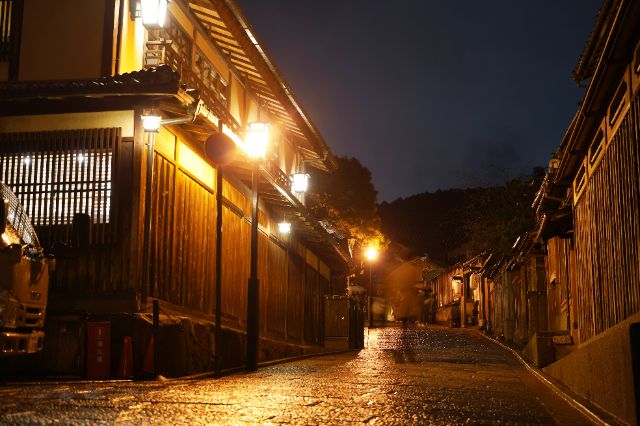
・Day 1 (Northwest Kyoto + Northern Area) : Kinkaku-ji → Ryōan-ji → Kamigamo Shrine → Kawaramachi
・Day 2 (Fushimi + Higashiyama Classic Route) : Fushimi Inari Taisha → Kiyomizu-dera → Ninenzaka → Gion
・Day 3 (Arashiyama + Uji Suburbs) : Nonomiya Shrine → Hōgen-in → Togetsukyo Bridge / Bamboo Grove → Byodoin
The benefit of this arrangement is that the direction of travel is consistent each day, avoiding backtracking. Although transportation in Kyoto is convenient, the popular attractions are somewhat scattered, and the travel route affects the quality of the trip more than the number of attractions. Below are the detailed routes for each day.
Day 1: Kinkaku-ji, Ryōan-ji, Kamigamo Shrine, Kawaramachi
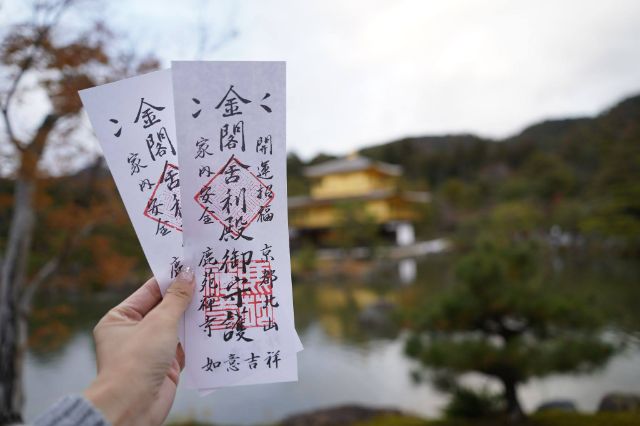
Kinkaku-ji (Rokuon-ji)
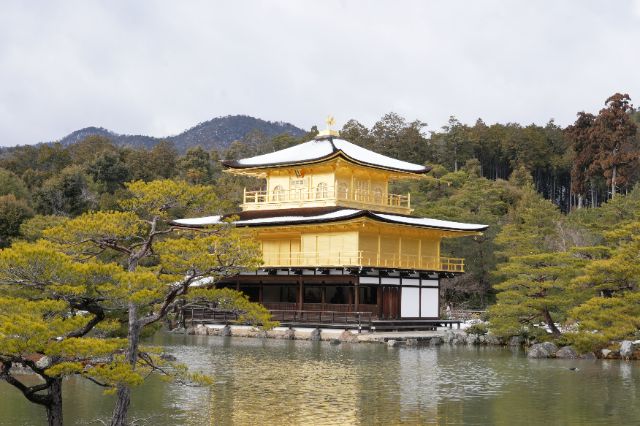
It is recommended to schedule a visit to Kinkaku-ji on the first day as early as possible. Arriving right when it opens means fewer crowds and softer lighting. The best photography spot is not directly in front of the entrance, but rather on the small hillside to the left of the Mirror Pond, looking down to capture the entire three-story building reflected perfectly on the water's surface.
Practical Information about Kinkaku-ji
・Address :1 Kinkakuji-cho, Kita-ku, Kyoto City
・Admission Fee : 500 yen for adults, 300 yen for elementary and junior high school students
・Transportation : Take city bus 101 / 205 from Kyoto Station, about 40 minutes, get off at "Kinkaku-ji Michi" and walk 5 minutes
・Recommended Stay : 40–60 minutes
・Best Time to Visit : Enter immediately at 9:00 when it opens
・Fun Fact : The stage of Yukio Mishima's novel "Kinkaku-ji" describes the 1950 arson incident of the shariden, and what you see now is the rebuilt version from 1955.
Ryōan-ji
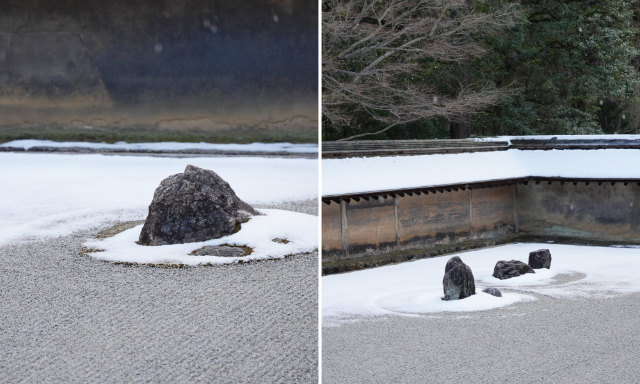
Ryoan-ji Practical Information
・Address Ryoan-ji Practical Information
・Address: 13 Goryoshitamachi, Ukyo Ward, Kyoto City
・Opening Hours : March to November 8:00–17:00 / December to February 8:30–16:30
・Admission Fee : 600 yen for adults, 500 yen for high school students, 300 yen for elementary and junior high school students
・Transportation : Take city bus No. 59 from Kinkaku-ji, about 7 minutes, get off at 'Ryoan-ji Mae'
・Recommended Stay : 40–50 minutes
・Must See : Rock garden, "I only know that I am content" stone seat, Kyoyōchi pond
Kamigamo Shrine
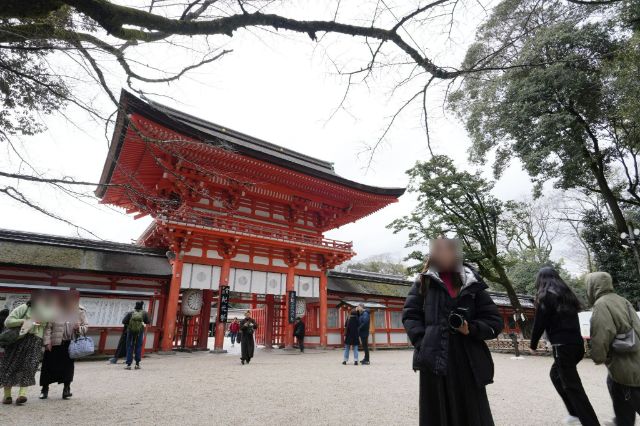
The benefit of finishing the first day at Kamigamo Shrine is: avoiding the hassle of transportation on the original route "Ryoan-ji → Higashiyama" and completing the World Heritage sites that are similarly located to the north in one go. There are significantly fewer tourists compared to Kiyomizu-dera and Fushimi Inari, and the evening atmosphere is particularly tranquil.
Practical Information about Kamigamo Shrine
・Address : 339 Kamigamo Motoyama, Kita Ward, Kyoto City: 339 Kamigamo Motoyama, Kita Ward, Kyoto City
・Opening Hours : 5:30–17:00 (inside the gate): 5:30–17:00 (inside the gate)
・Admission Fee : Free entry (special worship fees apply): Free entry (special worship fees apply)
・Transportation : Take city bus 59 from Ryoan-ji → transfer at Kitano Hakubaicho, or take the No. 4 system directly for about 30 minutes: Take city bus 59 from Ryoan-ji → transfer at Kitano Hakubaicho, or take the No. 4 system directly for about 30 minutes
・Recommended Stay : 40–60 minutes: 40–60 minutes
・Must-See : Tachi-suna, vermilion gate, main hall (national treasure), Nara no Ogawa, Kataoka Shrine
・Seasonal Highlights : Late March to April "Saio Cherry Blossoms", Aoi Matsuri (one of Kyoto's three major festivals) on May 15, autumn leaves at the end of November
Kawaramachi
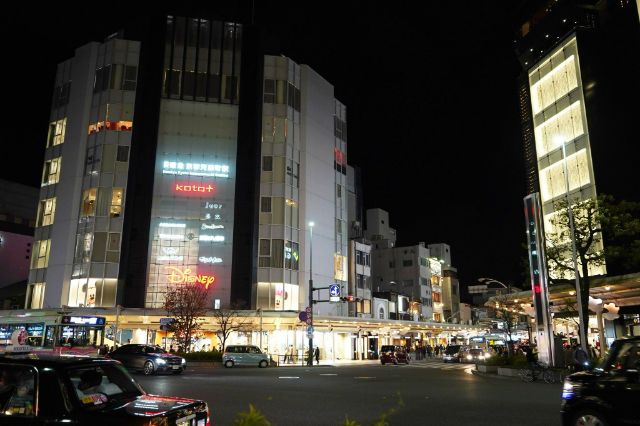
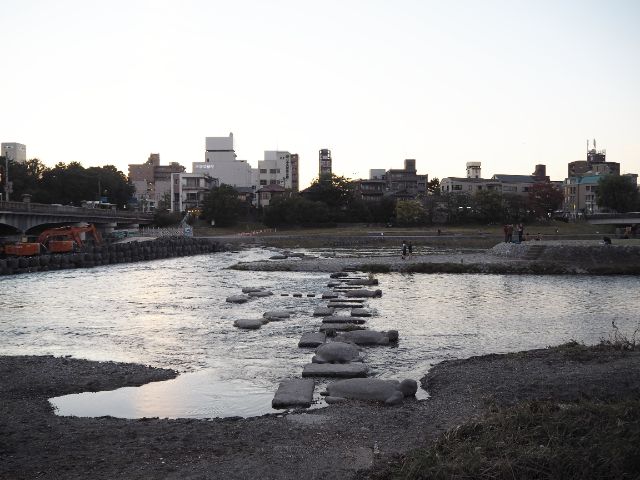
Practical Information about Kawaramachi/Kamo River
・Recommended Stay : Dinner + Shopping 2–3 hours
・Dining Directions : Pontocho (Kappo, Yakitori), around Nishiki Market (the market closes during the day but restaurants are open), Kiyamachi Street (cafes and bars along the Takase River)
・Photo Spots : Kamo Riverbank, Tazunebashi Bridge, Pontocho Stone Path
・Transportation : Accessible by Kyoto City Bus and Subway
The second day: Fushimi Inari Taisha, Kiyomizu-dera, Ninenzaka, Gion
Fushimi Inari Taisha
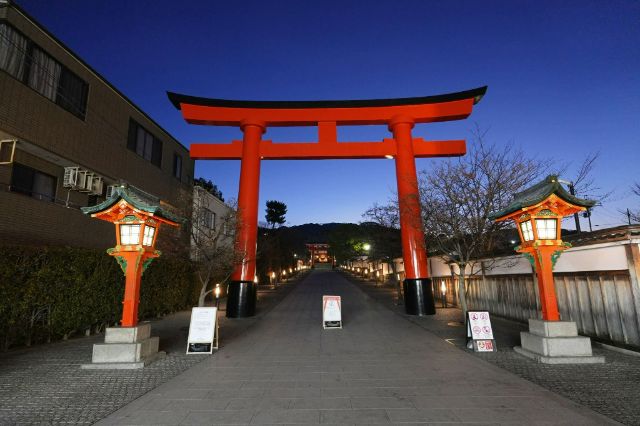
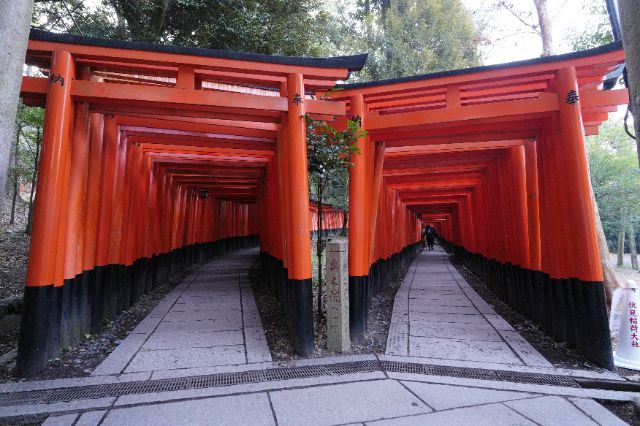
・Address : 68 Fukakusa Yabunouchi-cho, Fushimi-ku, Kyoto City
・Opening Hours : Open 24 hours (Office hours 8:30–16:30)
・Admission : Free
・Transportation : Get off at JR Nara Line "Inari" Station and walk, or 5 minutes walk from Keihan Main Line "Fushimi Inari" Station
・Recommended Stay : 1.5–2 hours
・Best Time : Early morning 7:00–9:00 is best, after 10:00 the crowd will significantly increase
・Must See : Senbon Torii, Omokaru Stone, various expressions of fox statues, fox ema (you can draw your own expressions)
Kiyomizu-dera
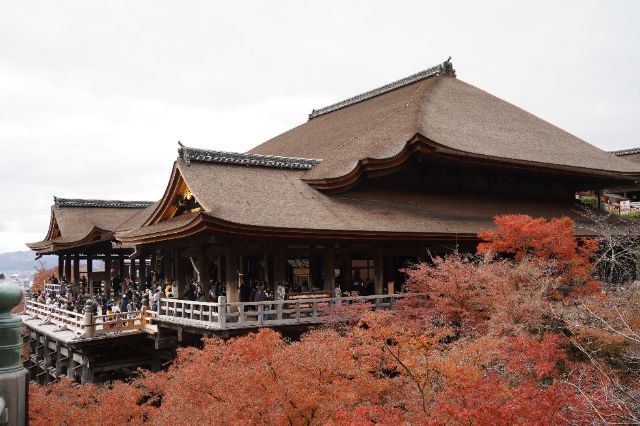
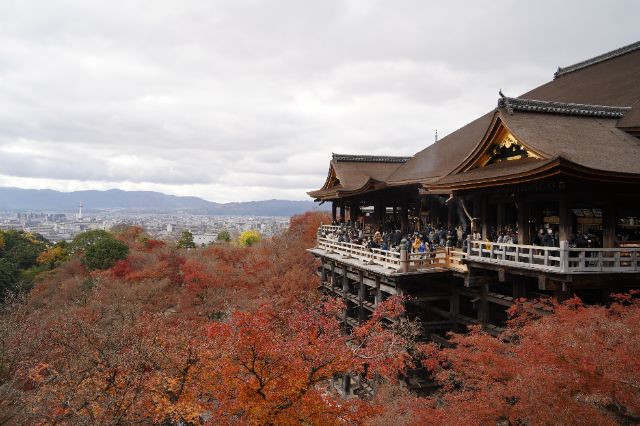
Practical Information about Kiyomizu-dera
・Address : 1-294 Kiyomizu, Higashiyama Ward, Kyoto City
・Opening Hours : 6:00–18:00 (seasonal adjustments, extended to 18:30 during certain periods)
・Admission Fee : 500 yen for adults, 200 yen for elementary and junior high school students (adjusted from April 2024, cash only)
・Transportation : 25 minutes on foot from Keihan "Kiyomizu Gojo" Station, or 10 minutes on foot from City Bus "Kiyomizu-michi" Station
・Recommended Stay : 60–90 minutes
・Must-See : Kiyomizu Stage, Main Hall (National Treasure), Otowa Waterfall, Three-Story Pagoda
・Best Time to Visit : Before 9:00 AM or after 4:00 PM when there are fewer people
Must-eat delicacies around Kiyomizu Temple | Benoit Kyoto
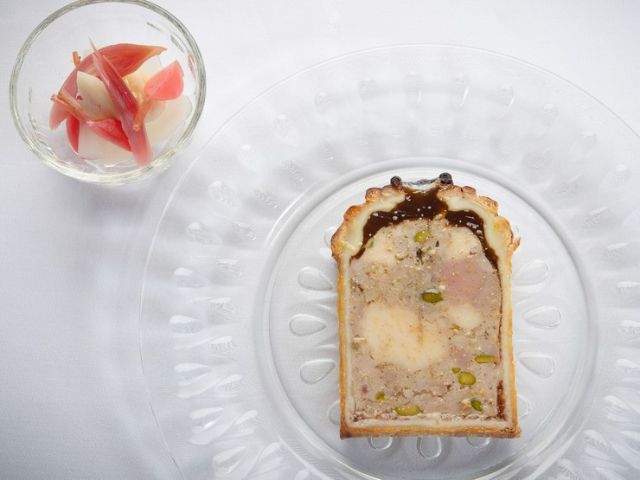
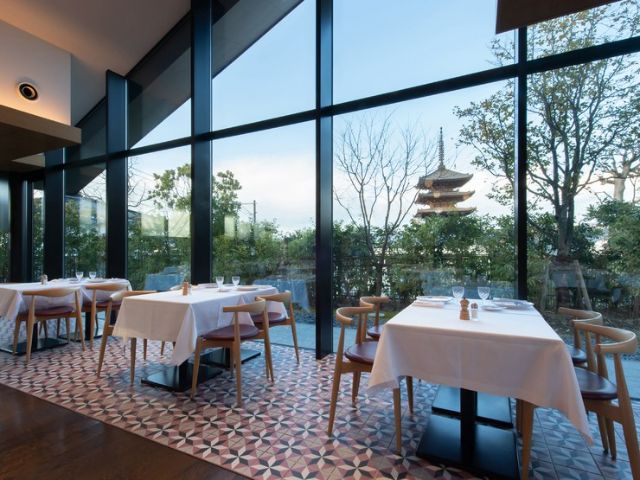
Benoit Kyoto
Holiday: None
Avarage price: [Dinner] 10,000 JPY / [Lunch] 5,000 JPY
Access: 15-minute drive from Kyoto Station, 5-minute walk from Kiyomizu-michi bus stop
Address: Inside The Hotel Seiryu Kyoto Kiyomizu, 2-204-2, Kiyomizu, Higashiyama-ku, Kyoto-shi, Kyoto
More Details Reservation
Ninenzaka
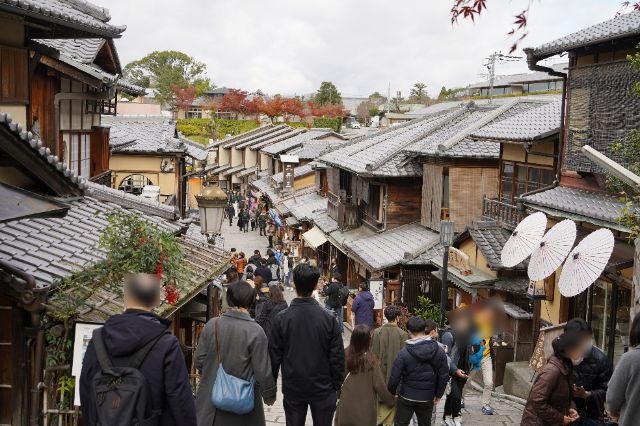
Ninenzaka Practical Information
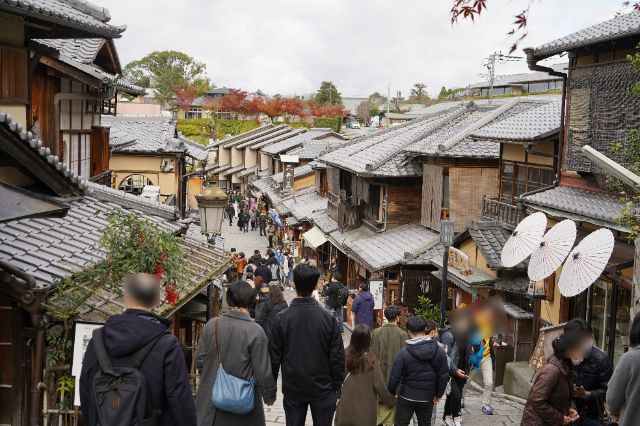
・Location : 5–10 minutes walk downhill from Kiyomizu Temple
・Admission : Free (street)
・Recommended Stay : 60–90 minutes
・Must See : Starbucks Ninenzaka Yasaka Chaya, Yasaka Pagoda (Hokanji) photo backdrop, various Kyoto souvenir shops
・Tip : The stone-paved road is uneven, so it is recommended to wear comfortable shoes.
Gion
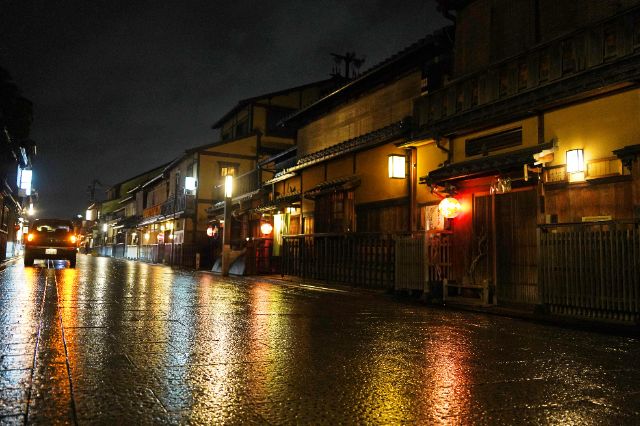
If visitors are lucky enough to see a maiko pass by, please be polite and do not chase after them for photos. In recent years, Gion has explicitly prohibited photographing pedestrians on private roads, and violations will result in fines.
Useful Information about Gion
・Location : Intersection of Shijo Street and Higashioji Street
・Must-Visit : Hanamikoji, Shirakawa Minami Street, Tatsumi Bridge, Tatsumi Daimyojin
・Recommended Stay : 1–2 hours
・Best Time : Evening 5:00–7:00
・Important Etiquette : Photography of pedestrians is prohibited in the private road areas of Hanamikoji, please respect local regulations
Must-eat delicacies around Gion | Gion Okumura
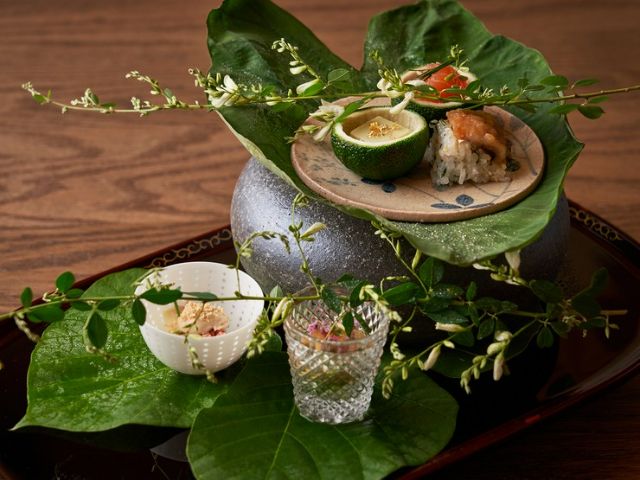
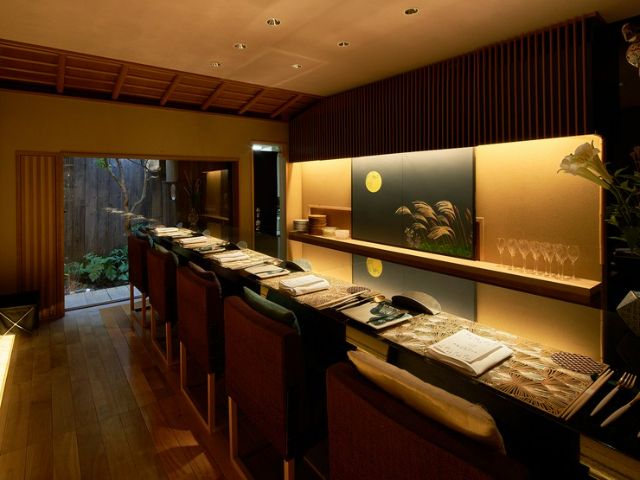
Gion Okumura
Holiday: Monday, Tuesday
Avarage price: [Dinner] 20,000 JPY / [Lunch] 12,000 JPY
Access: 5-minute walk from Exit 6 of Gion-shijo Station on the Keihan Main Line
Address: 570-6, Gionmachi-Minamigawa, Higashiyama-ku, Kyoto-shi, Kyoto
More Details Reservation
Day Three: Arashiyama, Uji Byodoin
Arashiyama (Nonomiya Shrine, Hōgon-in, Togetsu Bridge, Bamboo Grove)
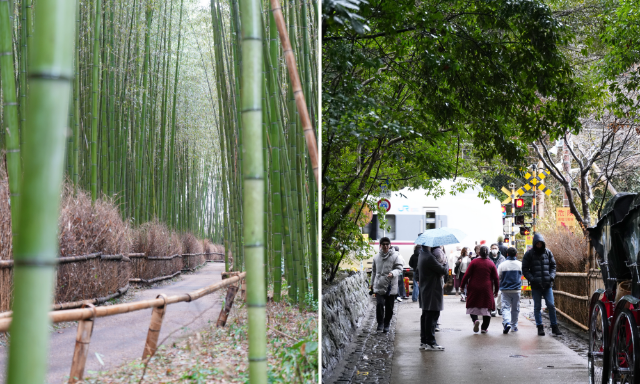
Nonomiya Shrine
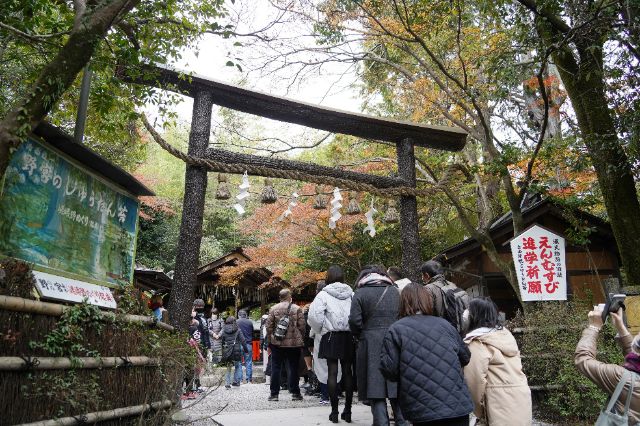
Hogen-in Temple
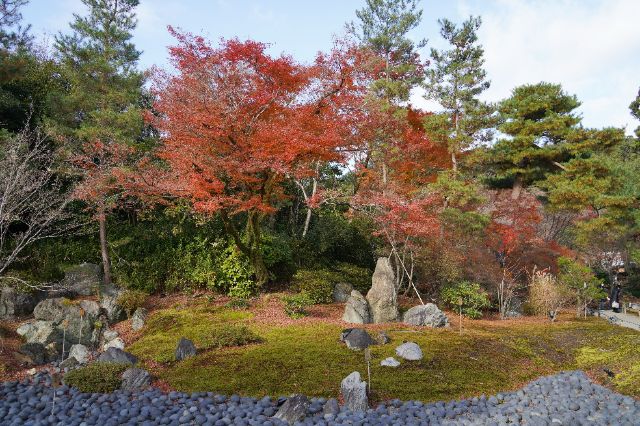
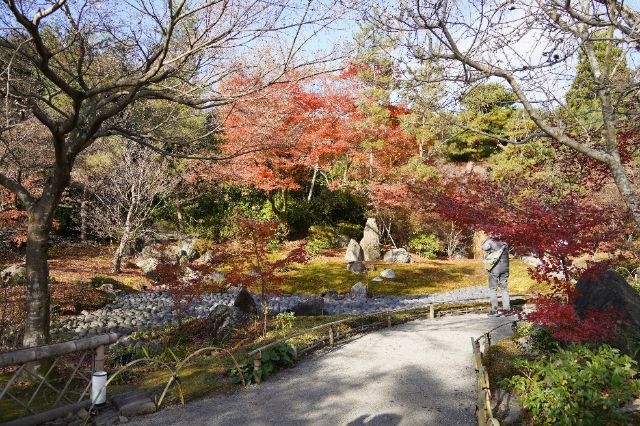
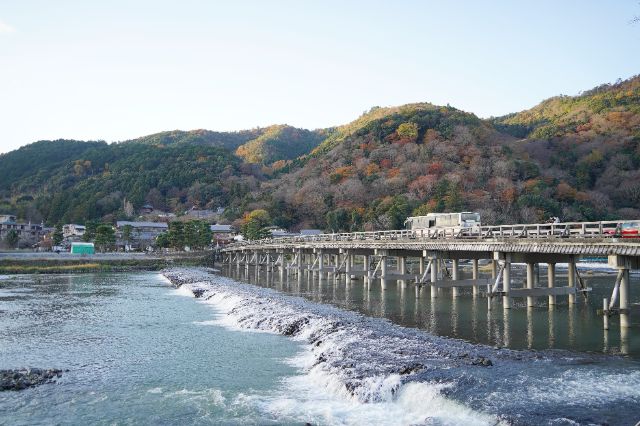
Togetsu-kyo
Practical Information about the Arashiyama Area
・Nonomiya Shrine : Free entry, 9:00–17:00, 1 Sagano Nonomiya-cho, Ukyo-ku, Kyoto City
・Bamboo Grove Path : Free, open 24 hours, but it is recommended to arrive before 8:00
・Hōgen-in : 700 yen during the special opening periods in spring and autumn (please check the current opening dates before your visit)
・Togetsukyo Bridge : Free
・Transportation : 10 minutes on foot from JR Sagano Line "Saga-Arashiyama" Station, or 5 minutes on foot from Arashiyama Station on the Randen Line
・Recommended Stay Duration : 3–4 hours
・Small Reminder : The stone path in the Bamboo Grove is uneven and can be slippery on rainy days.
Must-eat delicacies around Arashiyama|Doikatsuman Arashiyama Branch
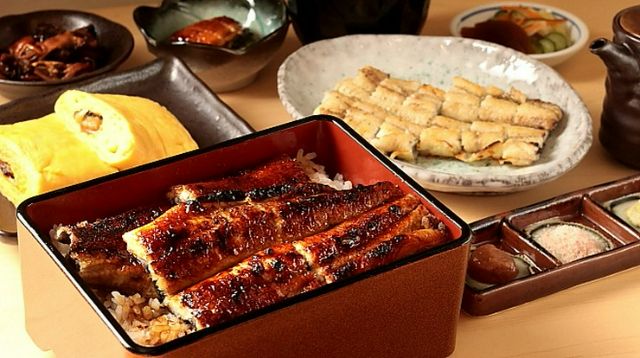
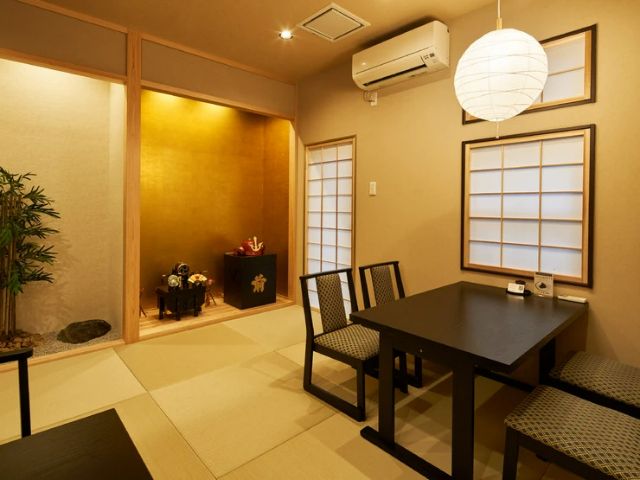
Doikastuman Arashiyama Branch
Holiday: Irregular
Avarage price: [Dinner] 4,500 JPY / [Lunch] 4,500 JPY
Access: 1 minute walk from JR Saga-Arashiyama Station, 1 minute walk from Randen-Saga Stop on Randen Arashiyama Main Line
Address: 4-10, Kurumamichi-cho, Saga-tenryuji, Ukyo-ku, Kyoto-shi, Kyoto 地圖
More Details Reservation
Byodoin
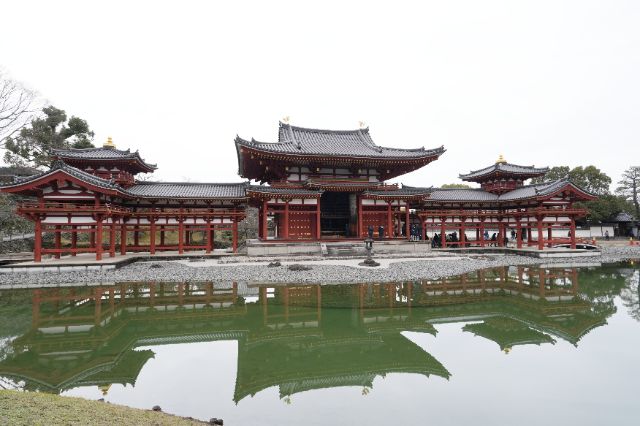
From Arashiyama to Uji: Take the JR Sagano Line back to Kyoto Station, then transfer to the JR Nara Line to "Uji" Station, with a total travel time of about 50 minutes. Although it requires some travel, the Byodoin itself is well worth it, and combined with a stroll through Uji's matcha street, the entire afternoon is just right. Uji is the birthplace of Japanese matcha, and "Nakamura Tokichi" and "Ito Kyuemon" on the approach to Byodoin are century-old shops where you can enjoy the highest quality matcha.
Byodoin Practical Information
・Address : 116 Uji Renge, Uji City, Kyoto Prefecture
・Opening Hours : Garden 8:30–17:30, Hoshokan 9:00–17:00, Interior of Phoenix Hall 9:30–16:10
・Admission Fee : Garden + Hoshokan 700 yen, Interior of Phoenix Hall plus 300 yen (50 people every 20 minutes)
・Transportation : 10 minutes walk from JR Nara Line "Uji" Station
・Recommended Stay : 1.5–2 hours (including visit to the interior of the Phoenix Hall)
How to choose accommodation areas in Kyoto
・Kawaramachi/Shijo : The liveliest at night, the most convenient for dining, drinking, and shopping, suitable for those who enjoy the urban vibe.
・Gion Area : The most Kyoto-like, but with fewer restaurant options and higher prices, suitable for travelers with a sufficient budget.
・Arashiyama : Suitable for itineraries of 4 days or more, staying overnight to experience the morning in Arashiyama is very special.
For first-time visitors to Kyoto, it is recommended to prioritize Kyoto Station or Kawaramachi.
Suggestions for Visiting Kyoto in All Seasons
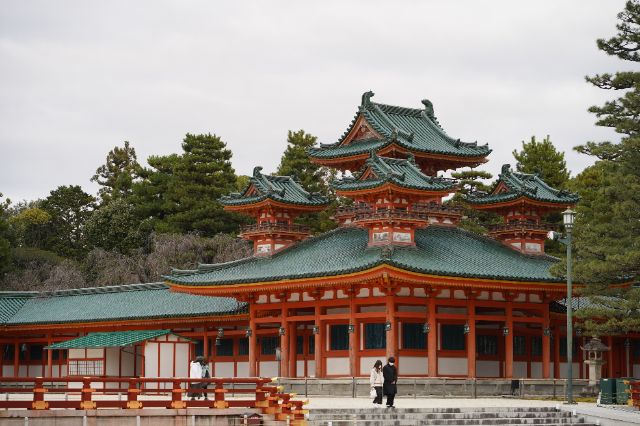
Summer (June - August): Gion Matsuri The Gion Matsuri in July is Kyoto's largest festival, and the Kamo River's cool seating is also available only in summer. Be aware of the extreme heat and take precautions for sun protection and hydration.
Autumn (Mid-November - Early December): Autumn Leaves Arashiyama Daikakuji, Kiyomizu Temple, and Eikando are famous spots for maple leaves. Daikakuji will be specially open during this season, making it the best time to visit in this itinerary.
Winter (December - February): Snow Scenery The snow scenery at Kinkakuji is a classic view but is not guaranteed. There are fewer crowds in winter, making it a good time for a leisurely trip.
Conclusion: The first free trip to Kyoto, three days is just right.
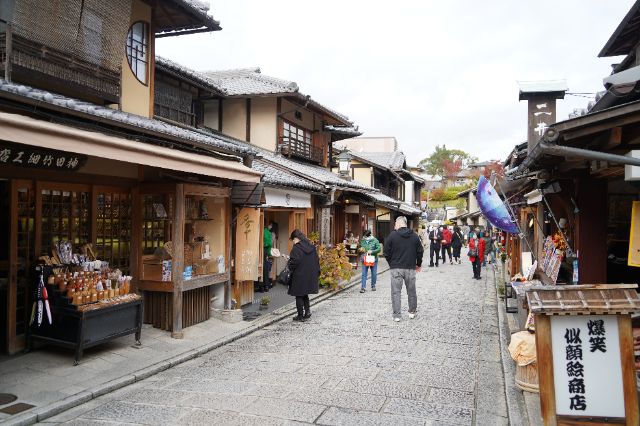
This 3-day itinerary for Kyoto focuses each day's route in one direction: Day 1 warms up with three World Heritage sites, Day 2 takes the classic Higashiyama + Fushimi Inari route, and Day 3 is reserved for the nature of Arashiyama and the Byodoin Temple in Uji. The pace of the entire journey will be much more comfortable than cramming in attractions.
If it's your first time in Kyoto, following this route will allow you to fully experience several important aspects of Kyoto in three days, making it hard to go wrong.
Disclaimer: All information is accurate at time of publication.
Thank you for reading our article.
Our goal is to take your culinary journey to the next level by helping you find the best restaurant. With SAVOR JAPAN, you can search and make reservations for
the restaurants found in and around Kyoto that fill your needs.
Discover more restaurants by area
Keywords
Update-Date: Jun 19, 2026
Author:
Related Articles
-
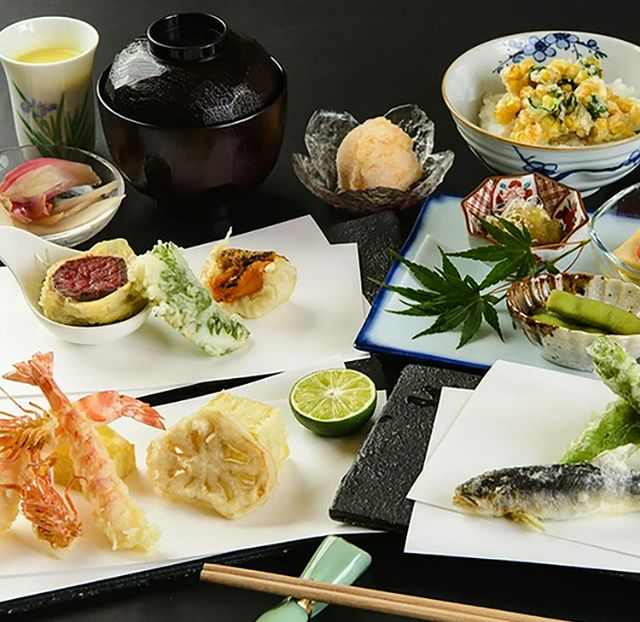
After Enjoying the Gion Festival, Come Here! 5 Restaurants Full of the Charm of the Ancient Capital|Kyoto
One of the three major festivals in Japan, the Gion Festival. The main event is the Yamaboko Junko (procession of floats), where the mountains and floats that were displayed in the parish area of Yasaka Shrine parade through the city (divided into the schedule of the first and second festivals). After enjoying this summer tradition of Kyoto, you would surely want to conclude the evening at a place where you can fully savor the elegance and flavors of Kyoto. This time, we will introduce five special restaurants that fulfill such a wish.
-
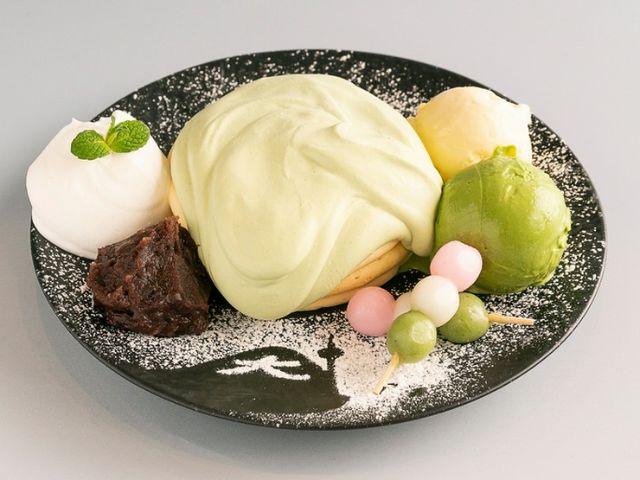
A Quick Stop During Kyoto Sightseeing! Cafe & Sweets Restaurants|Kyoto
Kyoto, with its old townscapes and numerous temples and shrines, is full of attractions. Many people consider it a must-visit place when coming to Japan. So this time, we will introduce cafes and sweets restaurants where you can quickly stop by in between your sightseeing in Kyoto. Enjoy the unique flavors of Kyoto, including dishes made with Kyoto-grown ingredients and Kyoto-exclusive menus.
-
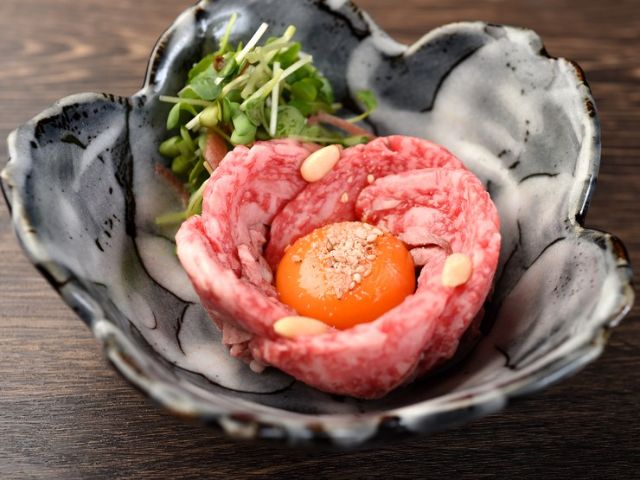
Just a short walk from Kyoto Station: 10 must-visit restaurants at Kyoto Tower Sando
Kyoto Tower Sando is situated on the B1F to 2F of the prominent Nidec Kyoto Tower, a landmark at Kyoto Station. It features a variety of restaurants and shops offering Kyoto's food and miscellaneous goods. The Food Hall on B1F is home to many restaurants and always bustling with tourists and locals. Consider stopping by during your sightseeing to savor the taste of Kyoto.
-
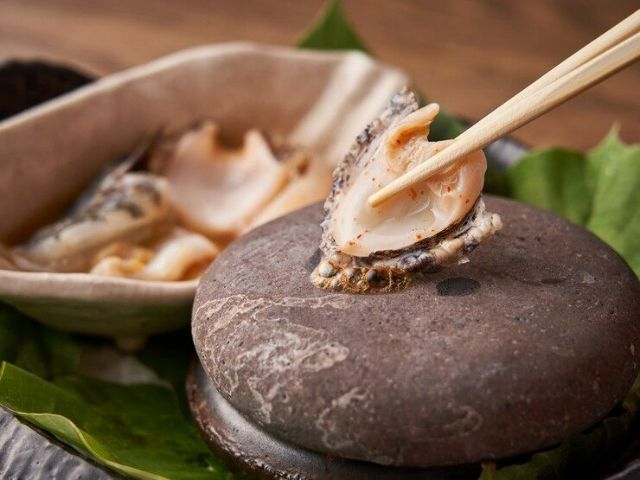
5 Delicious Restaurants to Visit in Gion: From Traditional Japanese Cuisine to Everyday Flavors | Kyoto Gion
In the bustling district of Gion, which is one of Kyoto's top attractions, a variety of restaurants compete, ranging from traditional kaiseki establishments where one can savor authentic Kyoto cuisine to izakayas offering delicious meals at reasonable prices. Visitors can enjoy the luxury unique to Gion at high-end restaurants or discover new charms of Gion at casual dining spots. Why not encounter the various faces of Gion?
-
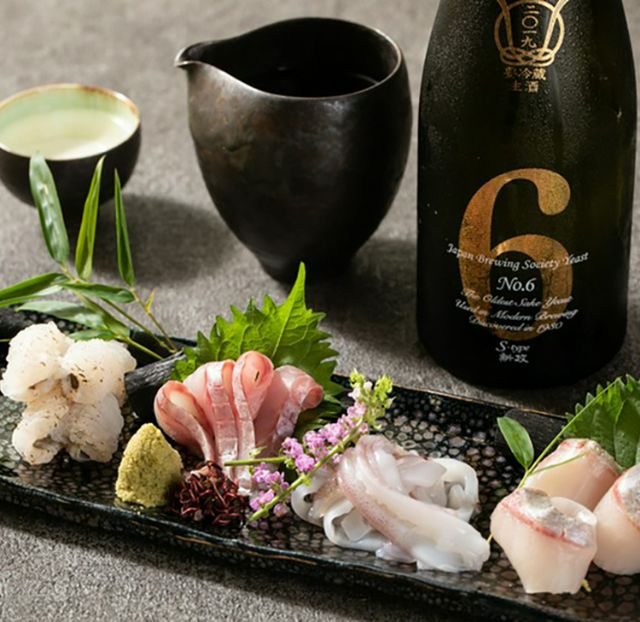
5 Stylish Izakayas for a Unique Adult Date in Kyoto
A sophisticated date where two people enjoy conversation while sipping drinks together. A date at a restaurant with a nice atmosphere seems to bring the two closer together. Recently, izakayas not only offer delicious food and drinks but also have a stylish ambiance. This time, we will introduce izakayas in Kyoto that are perfect for an adult date.
New Articles
-
The tranquility of Daikanyama, paired with the elegant atmosphere of the A5 Wagyu restaurant "Shabu Shabu Ryuki"
-
Tokyo Station Surrounding Gourmet|Sukiyaki Twelve Heavens: Marunouchi Premium A5 Black Wagyu Sukiyaki Specialty Store
-
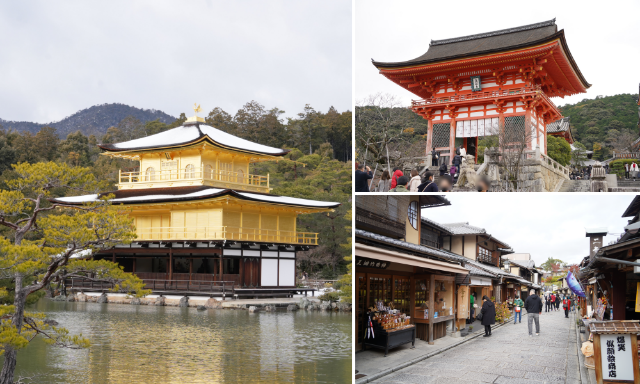
The Perfect 3-Day Kyoto Itinerary | Top Attractions, Food & Transportation Tips
-
![Compare the rare and luxurious beef tongue, "Kurotan", derived from Japanese Black cattle! Visit the hidden gem in Shinjuku Sanchome, Tokyo: [Kurotan Yakiniku Aoki].](https://rimage.savorjapan.com/svj/image/discover_oishii_japan/7147/article_head_150x105z.jpg?t=1781240224)
Compare the rare and luxurious beef tongue, "Kurotan", derived from Japanese Black cattle! Visit the hidden gem in Shinjuku Sanchome, Tokyo: [Kurotan Yakiniku Aoki].
-
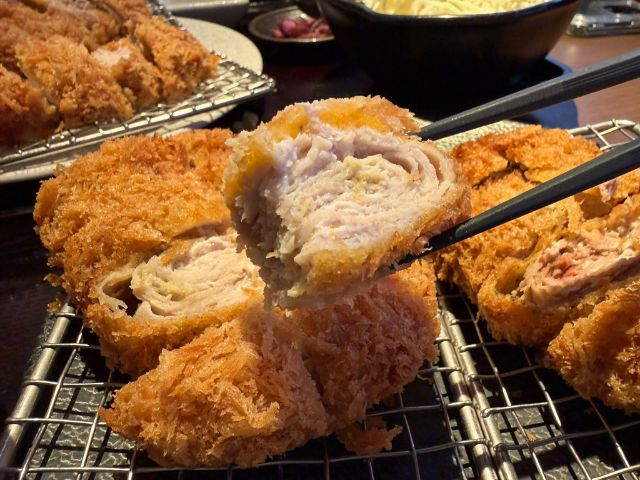
【Tokyo Gourmet】KIMUKATSU Ebisu|The original deliciousness of thinly sliced layered fried pork cutlet
Categories
Cuisine
- Bars (24)
-
Japanese Cuisine (704)
- Kaiseki (50)
- Nabe (22)
- Okonomiyaki (26)
- Shabu Shabu (39)
- Soba (20)
- Sushi (149)
- Tempura (20)
- Teppanyaki (47)
- Shojin Ryori (4)
- Tonkatsu (17)
- Kushiyaki (10)
- Yakitori (46)
- Sukiyaki (37)
- Japanese Cuisine (346)
- Oyster (3)
- Sashimi/ Seafood (33)
- Unagi (eel) (39)
- Motsu Nabe (offal hotpot) (10)
- Mizutaki (chicken hot pot) (4)
- Oden (9)
- Kaisendon (seafood bowl) (12)
- Udon (3)
- Taverns(Izakaya) Cuisine (134)
- Western Cuisine (43)
- Italian/French Cuisine (99)
- Yakiniku/Steak (235)
- Chinese Cuisine (27)
- Ramen (Noodles) Cuisine (25)
- Cafe/Sweets (67)
- Other Asian Cuisine (5)
- Global/International Cuisine (7)
- Alcohol (57)
- Other (11)
Area
- Shikoku (10)
- Kyoto and Osaka (355)
-
Tokyo (485)
- Tokyo (304)
- Ginza (49)
- Roppongi (24)
- Shibuya (30)
- Shinjuku (48)
- Asakusa (21)
- Ebisu (14)
- Tsukiji (13)
- Tokyo Landmarks (4)
- Ueno (23)
- Akihabara (9)
- Ikebukuro (14)
- Jiyugaoka, Denenchofu, Nakameguro (9)
- Shimokitazawa (4)
- Kichijoji (3)
- Tachikawa (1)
- Omotesando, Harajuku, Aoyama (19)
- Akabane (1)
- Kagurazaka (4)
- Akasaka (11)
- Odaiba (2)
- Tsukishima, Harumi, Toyosu (3)
- Near Tokyo (103)
- Okinawa and Ryukyu Islands (60)
- Hokkaido (124)
- Northern Honshu (Tohoku) (31)
- Central Honshu (Chubu) (147)
- Western Honshu (Chugoku) (35)
- Kyushu (95)
Archives
- June 2026(9)
- May 2026(7)
- April 2026(18)
- March 2026(3)
- February 2026(13)
- January 2026(11)
- December 2025(9)
- November 2025(4)
- October 2025(3)
- September 2025(6)
- August 2025(11)
- July 2025(19)
- June 2025(18)
- May 2025(34)
- April 2025(43)
- March 2025(30)
- February 2025(36)
- January 2025(26)
- December 2024(69)
- November 2024(31)
- October 2024(15)
- September 2024(39)
- August 2024(65)
- July 2024(31)
- June 2024(54)
- May 2024(61)
- April 2024(28)
- March 2024(31)
- February 2024(42)
- January 2024(32)
- December 2023(20)
- November 2023(5)
- October 2023(10)
- September 2023(7)
- August 2023(18)
- July 2023(8)
- June 2023(8)
- May 2023(18)
- April 2023(15)
- March 2023(1)
- January 2023(1)
- April 2022(2)
- March 2022(2)
- February 2022(1)
- January 2022(1)
- July 2021(1)
- March 2021(1)
- February 2021(1)
- December 2020(1)
- October 2020(1)
- September 2020(2)
- August 2020(10)
- July 2020(6)
- June 2020(9)
- May 2020(11)
- April 2020(8)
- March 2020(8)
- February 2020(13)
- January 2020(9)
- December 2019(24)
- November 2019(8)
- August 2019(14)
- July 2019(15)
- June 2019(18)
- May 2019(17)
- April 2019(16)
- March 2019(22)
- February 2019(22)
- January 2019(26)
- December 2018(34)
- November 2018(40)
- October 2018(32)
- September 2018(11)
- August 2018(8)
- July 2018(6)
- June 2018(9)
- May 2018(10)
- April 2018(21)
- March 2018(74)
- February 2018(39)
- January 2018(26)
- December 2017(60)
Keywords
- Omakase
- Accessible
- Affordable
- All-You-Can-Eat
- Amazing Scenery
- anime
- Art
- Autumn
- Awards
- Beer Gardens
- Breakfast
- Chef Recommendations
- Cherry Blossoms
- Chinese
- Close To Station
- Condiments
- Counter
- Coupon
- Crab
- Culture
- Dassai
- Dates
- delivery
- Early Summer
- Editor's Recommendation
- English Available
- Event
- Expo
- Fall Leaves
- Family-Friendly
- Famous Restaurant
- Famous Tourist Spot
- Fast Food
- festival
- fireworks
- Flower Farm
- Free Wi-Fi
- French
- Great Location
- Guide
- Hibachi
- hotpot
- How To
- hydrangea
- Hygiene
- Illumination
- Italian
- Izakaya
- Japanese
- Japanese alcohol
- jingisukan
- Kaiseki
- Kappo
- Kushiage
- Kushikatsu
- Kyoto
- Late-Night
- Lunch
- Manners
- matsusakagyu
- Michelin
- mizutaki
- Model Course
- monjayaki
- motsunabe
- Mt.Fuji
- Multilingual Menus
- Nabe
- Narita Airport
- New Year
- Ninja
- Noodle
- Oden
- Okonomiyaki
- omotenashi
- Onsen
- Osaka
- Osaka Station
- Photogenic Site
- pizza
- PR
- Private Room
- Ramen
- ranking
- Recipe
- Regional Cuisine
- Resort
- Rice Bowl Dish (Donburi)
- sacred places
- Sake
- Sakura
- Sashimi
- sea urchin
- Setouchi Area
- Shabu Shabu
- sightseeing
- Signature Dish
- Soba
- Solo Diners Welcomed
- Spicy Food
- Spring
- Steak
- Summer
- Sunflower
- Sushi
- takeout
- Teppanyaki
- Terrace Seating
- Tokyo
- Tokyo Experiences
- Tokyo Skytree
- Tokyo Tower
- unagi
- UNESCO
- Vegan
- Vegetarian
- Wagyu
- What Popular Gourmet Sites Recommend
- Whisky
- Wine Bar
- Winter
- Wisteria
- Workshop
- World Heritage Site
- World Writers
- Yakiniku
- Yoshoku
- Yuba
- Zen
Discover Restaurants By Area
-
Tokyo Area
Japan's largest city, Tokyo, is the center of culinary culture in Japan. Countless Tokyo restaurants serve every kind of food imaginable and the Toyosu fish market keeps restaurants stocked with the nation's finest fish.
-
Near Tokyo
Coastal areas, mountains and valleys surrounding Tokyo are bursting with tourist destinations, such as hot springs and ski slopes, where many unique foods are only available locally.
-
Kyoto and Osaka Area
The cities of Kyoto and Osaka, together with their surrounding areas, have greatly influenced Japan's culinary culture since the 7th Century. The region is renowned for its entertainment, Kobe beef, and wide-ranging traditional dishes.
-
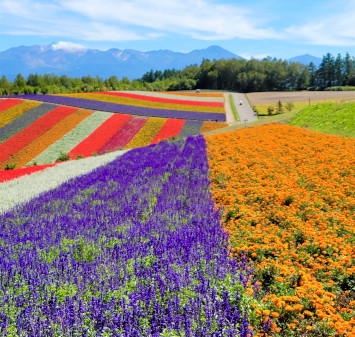
Hokkaido Area
The island of Hokkaido is home to wide-ranging produce of the finest quality, such as rice, meat, vegetables, fish and fruit. Popular dishes from Hokkaido include robatayaki (food slowly roasted on skewers) and Sapporo miso ramen.
-
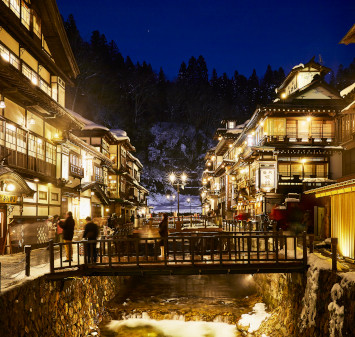
Northern Honshu (Tohoku)
The northern end of Japan's main island, Honshu, is renowned for its seasonal fruit and vegetables, nation-leading harvest of fish (especially tuna from Ohma), and delicious beef from Yonezawa, Sendai and Yamagata.
-
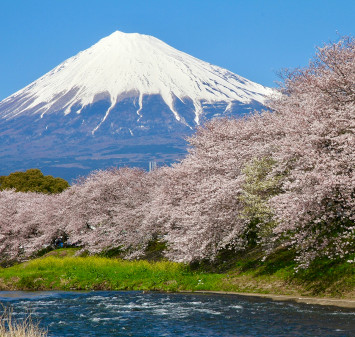
Central Honshu (Chubu)
Chubu is in the center of Japan's main island, Honshu, and its culinary culture reflects its position between Japan's western and eastern halves. Delicious Hida beef, world-famous Mount Fuji and many acclaimed sake breweries are in Chubu.
-
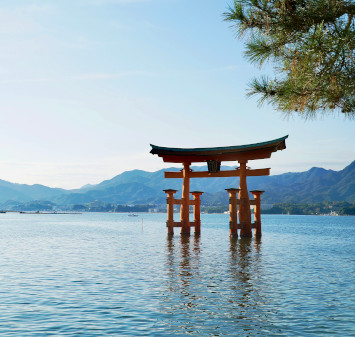
Western Honshu (Chugoku)
Chugoku, on the southwest of Japan's main island, is rich with diverse produce. Many of its products are praised as Japan's best, including Matsuba crabs from Tottori and oysters from Hiroshima. Its pears and muscats are also top grade.
-
Shikoku
The mild climate of Shikoku is ideal for growing citrus fruit such as sudachi. Shikoku is also famous for Sanuki udon noodles, huge yields of tiger prawn from Ehime Prefecture and the best torafugu (tiger globefish) in the country.
-
Kyushu
Western culture was first introduced to Japan through Kyushu, Japan's third largest island, where the influence of Portuguese and other western cuisine influenced the creation of a colorful culinary tradition.
-
Okinawa and Ryukyu Islands
Okinawa, Japan’s southernmost prefecture, is a treasure trove of distinctive dishes and drinks that have become popular throughout Japan, including Okinawa soba, unique sushi toppings and Awamori distilled liquor.