อาหารป่าญี่ปุ่นถูกรังสรรค์เป็นอาหาร อาหารฝรั่งเศส ชั้นเลิศที่ร้าน Lature ในชิบูย่า

บทนำ
ลาเจอร์
ปิด:ไม่แน่นอน
ราคาเฉลี่ย:[Dinner] 20,000 JPY / [Lunch] 7,000 JPY
การเดินทาง:เดิน 6 นาทีจากทางออก B1 ของ สถานี Omote-sando (สาย โตเกียว Metro Hanzomon, Ginza และ Chiyoda) เดิน 7 นาทีจากทางออก Hikarie ของ สถานี JR Shibuya
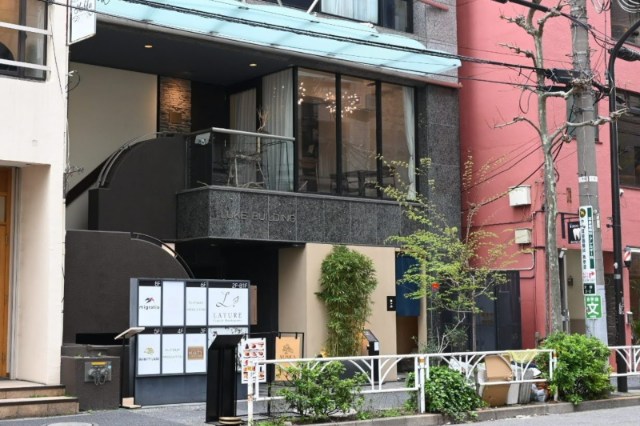
ที่อยู่:ชั้น B1 อาคารอาโอยามะลุค 2-2-2 ชิบูย่า ชิบูย่า-โตเกียว แผนที่
ดูรายละเอียดเพิ่มเติมการจอง
เกี่ยวกับธรรมชาติ
ที่โต๊ะหนึ่ง คู่รักชาวอเมริกันหนุ่มสาวกำลังยิ้มแย้มเกี่ยวกับคุณภาพของขนมหวาน ที่อีกโต๊ะหนึ่ง กลุ่มชาว อาหารฝรั่งเศส สี่คน (แต่ละคนเปิดไวน์คนละขวด) กำลังสนทนากันอย่างออกรส และบางครั้งก็มีเสียงพูดคุยภาษาจีนกวางตุ้งแทรกเข้ามาในช่วงที่เงียบสงบ แม้ว่าแขกเหล่านี้อาจจะไม่รู้ตัว แต่พวกเขาทุกคนกำลังมีส่วนร่วมในภารกิจของเชฟมูโรตะในการนำเสนออาหารญี่ปุ่นแบบกิเบียร์เพื่ออนาคตที่ยั่งยืนยิ่งขึ้น
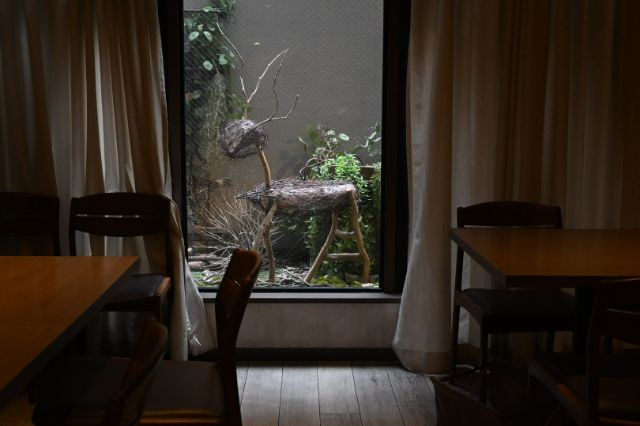
ด้วยความพยายามของเชฟใหญ่ ทาคูโตะ มูโรตะ ในการทำให้กิเบียร์ของญี่ปุ่นเป็นที่รู้จักอย่างกว้างขวางมากขึ้น ร้าน Lature จึงยินดีต้อนรับนักชิมจากทุกภูมิหลัง ปรัชญาของเขาไม่ได้มุ่งเน้นที่การเอาใจนักท่องเที่ยว – เพราะลูกค้าท้องถิ่นจำนวนมากก็ชื่นชอบ Lature เช่นกัน – แต่เป็นการแสดงให้โลกเห็นถึงส่วนหนึ่งของภูมิทัศน์อาหารของญี่ปุ่นที่มักถูกมองข้ามไป ครั้งหนึ่งการล่าสัตว์เป็นส่วนสำคัญของญี่ปุ่นในยุคก่อนสมัยใหม่ และมนุษย์อาศัยอยู่ร่วมกับธรรมชาติอย่างกลมกลืน เชฟมูโรตะเชื่อว่าเชฟอย่างเขาคือหัวใจสำคัญในการกลับคืนสู่ความสัมพันธ์ที่กลมกลืนมากขึ้นระหว่างมนุษย์และธรรมชาติ – เริ่มต้นจากสิ่งที่อยู่บนจาน
เชฟมูโรตะและการกำเนิดของลาตูเร
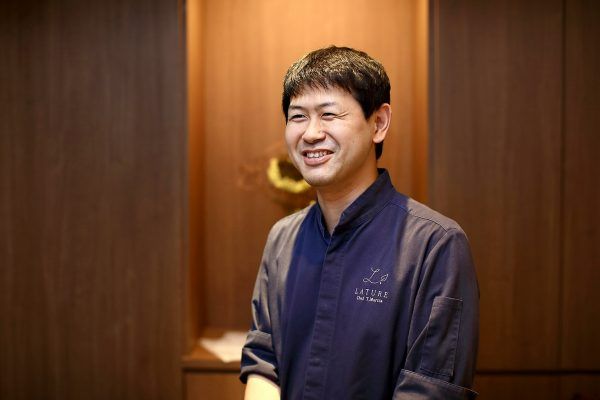
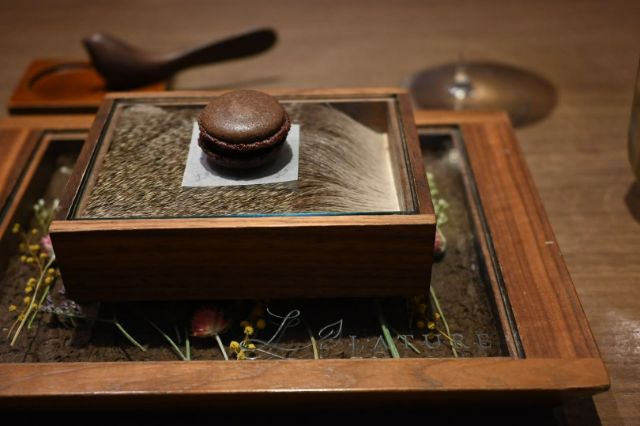
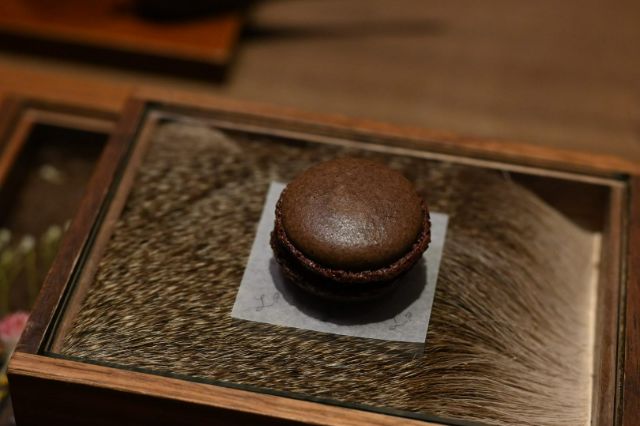
ในการให้สัมภาษณ์กับมายูโกะ ยะมะงุจิ มากูจิ นักข่าวชาวญี่ปุ่น เชฟมูโรตะอธิบายว่า รสชาติอาหาร อาหารฝรั่งเศส แบบดั้งเดิมเป็นแรงบันดาลใจให้เขามาเป็นเชฟตั้งแต่แรก ในสมัยเรียนมัธยมต้น เขาประทับใจกับไส้กรอกเลือดหมูแบบ อาหารฝรั่งเศส คลาสสิกอย่างบูแดงนัวร์ (boudin noir) ความทรงจำนั้นสะท้อนออกมาในมาการองเลือดอันเป็นเอกลักษณ์ของร้านลาตูเร (Lature) ซึ่งเป็นกานาชเนื้อเนียนนุ่มที่ทำจากเลือดกวางและเครื่องเทศ ประกบอยู่ระหว่างคุกกี้อัลมอนด์สองชิ้นที่สมบูรณ์แบบ
เนื้อสัตว์ที่ยั่งยืนสำหรับอนาคต
ประสบการณ์สุดล้ำนี้คือหนึ่งในเคล็ดลับเบื้องหลังการทำอาหารของเชฟมูโรตะ ด้วยการสร้างสรรค์อาหารที่อร่อยอย่างแท้จริงซึ่งทั้งชาวญี่ปุ่นและชาวต่างชาติสามารถเพลิดเพลินได้โดยปราศจากความเสแสร้ง เชฟมูโรตะเชื่อว่าผู้เชี่ยวชาญด้านอาหารอย่างเขาเองสามารถแก้ไขปัญหาบางอย่างที่สังคมเผชิญอยู่ทุกวันได้ การนำเนื้อสัตว์ป่ามาเป็นอาหารหลักแทนที่จะเป็นของแปลกใหม่ เขาเชื่อว่าอาจเป็นกุญแจสำคัญ แม้ว่าหลายประเทศจะไม่มีประเพณีการกินเนื้อสัตว์ป่าหรือแม้แต่การบริโภคเนื้อสัตว์ที่เลี้ยงแบบครบทุกส่วนก็ตาม บางวัฒนธรรม เช่น ญี่ปุ่น เพิ่งเลิกการล่าสัตว์และการกินเนื้อสัตว์ป่าในช่วงไม่กี่ทศวรรษที่ผ่านมานี้เอง
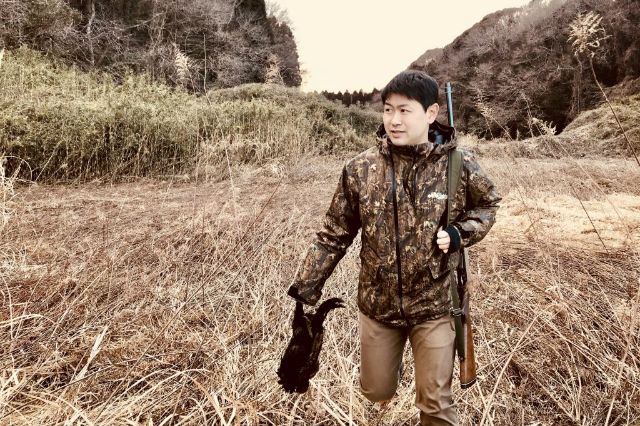
เชฟยอมรับว่า สัตว์ป่า เช่น เป็ดและกวาง ที่อาศัยอยู่ในพื้นที่ปนเปื้อนจากกิจกรรมของมนุษย์ หรือได้รับการจัดการอย่างไม่เหมาะสม แม้ว่าจะถือว่าเหมาะสมที่จะใช้เป็นเนื้อสัตว์แล้ว ก็ไม่ได้มีคุณภาพที่ดึงดูดใจผู้บริโภคทั่วไปให้ยอมรับเนื้อสัตว์ป่าได้อย่างเต็มที่ ความเข้าใจนี้เป็นส่วนหนึ่งที่กระตุ้นให้เขาแสวงหาความเข้าใจที่ลึกซึ้งยิ่งขึ้นเกี่ยวกับถิ่นกำเนิดของสัตว์และตัวสัตว์ป่าเอง
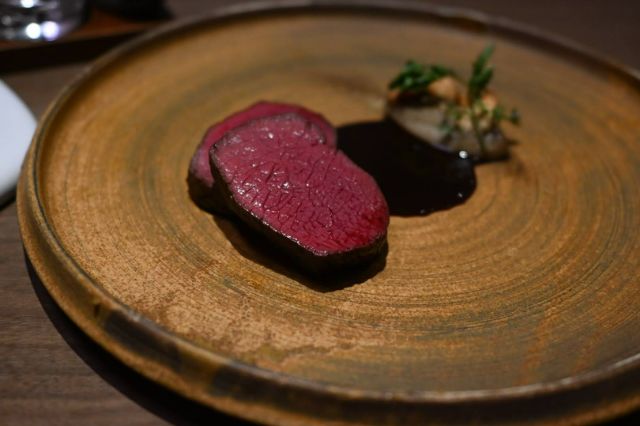
หลักสูตรนี้ใช้วัตถุดิบจากแหล่งผลิตที่มีชื่อเสียงที่สุดของญี่ปุ่นเป็นจำนวนมาก รวมถึงฟาร์มใน จิบะ ที่ทำสัญญากับ Lature ในแต่ละปี พนักงานจะใช้เวลาไปทำงานในฟาร์ม เพื่อสร้างความสัมพันธ์ที่ใกล้ชิดยิ่งขึ้นกับวัตถุดิบเหล่านั้น
ลาเจอร์
ปิด:ไม่แน่นอน
ราคาเฉลี่ย:[Dinner] 20,000 JPY / [Lunch] 7,000 JPY
การเดินทาง:เดิน 6 นาทีจากทางออก B1 ของ สถานี Omote-sando (สาย โตเกียว Metro Hanzomon, Ginza และ Chiyoda) เดิน 7 นาทีจากทางออก Hikarie ของ สถานี JR Shibuya
ที่อยู่:ชั้น B1 อาคารอาโอยามะลุค 2-2-2 ชิบูย่า ชิบูย่า-โตเกียว แผนที่
ดูรายละเอียดเพิ่มเติมการจอง
หลักสูตร
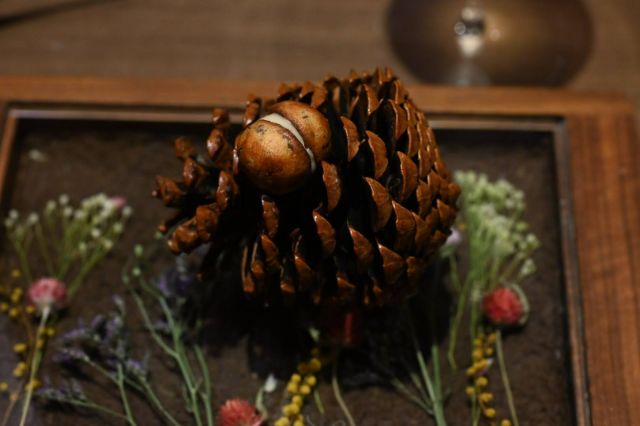
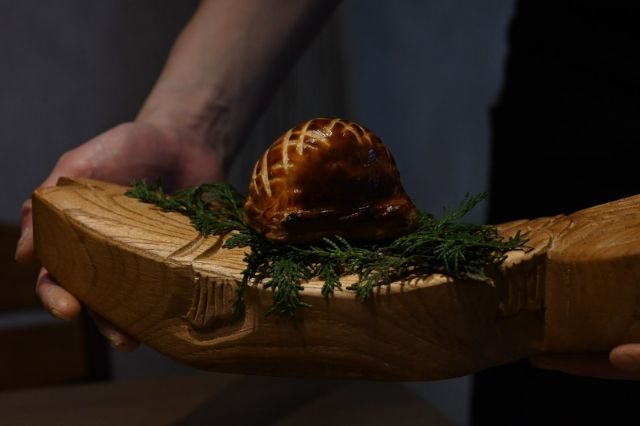
อาหารเรียกน้ำย่อย น้ำย่อยแช่เย็น: ปลาเยลโล่เทลที่ได้รับแรงบันดาลใจจากคุรุมิโซบะ
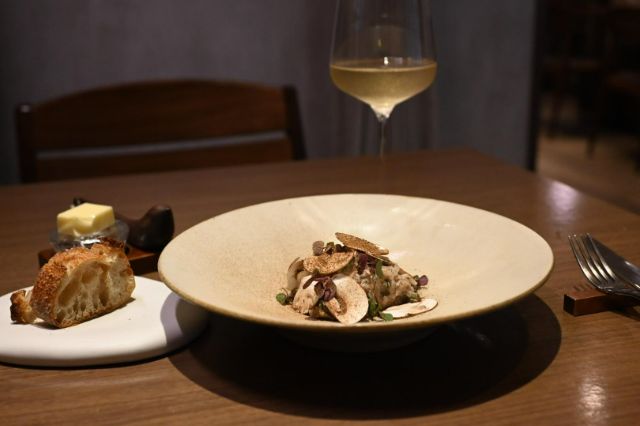
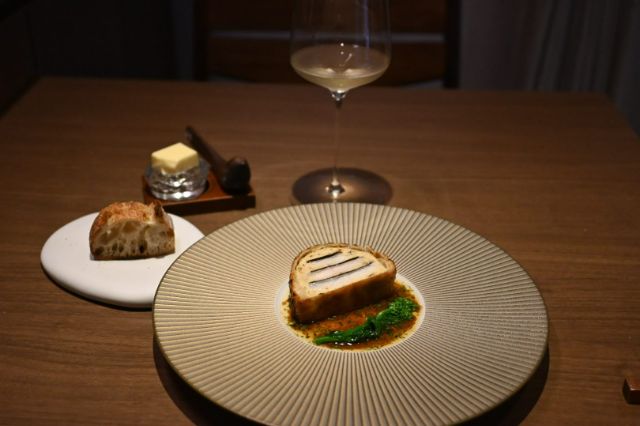
พายสองชิ้น
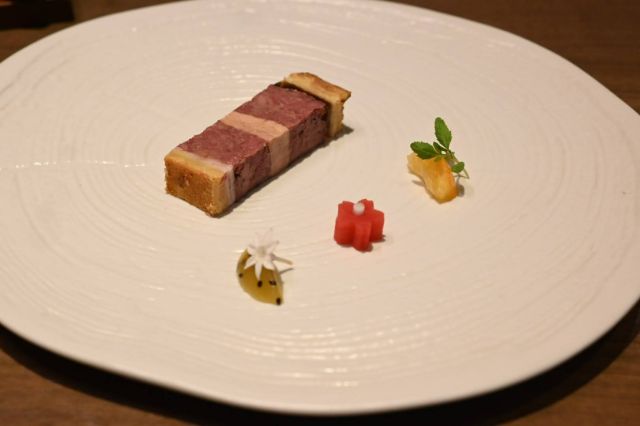
คอนซอมเยลลี่และสําเนียงของผักดองและน้ําซุปข้นผลไม้ช่วยเพิ่มความสว่างให้กับอาหารแช่เย็นแบบคลาสสิกที่นําโปรตีนต่างๆ มาใช้แบบหัวต่อตัว แป้งขนม "crou" เพียงพอที่จะคงรูปร่างไว้ แต่ในที่สุดจานนี้ก็กลายเป็นมาสเตอร์คอร์สในเนื้อสัตว์ป่า ทําให้แขกได้เพลิดเพลินกับแง่มุมที่เป็นเอกลักษณ์ของสัตว์แต่ละตัวทีละเล็กทีละน้อย เมื่อเปรียบเทียบคุณภาพความอร่อยที่แตกต่างกันของโปรตีนแต่ละชนิด ผู้รับประทานอาหารจะสามารถชื่นชมของขวัญจากธรรมชาติและเข้าใจคุณค่าและความเก่งกาจของเนื้อสัตว์
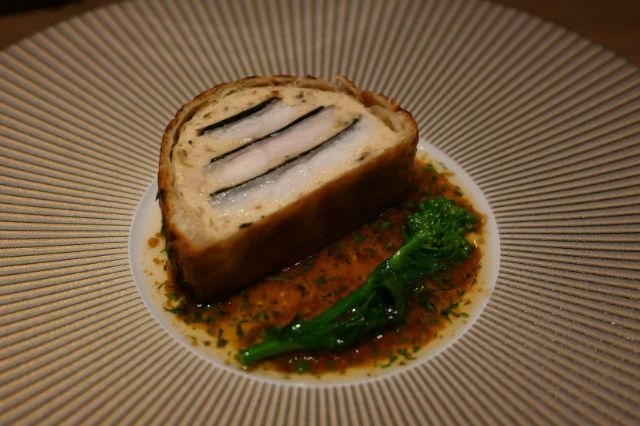
เมนูนี้ประกอบด้วยปลาและสาหร่ายโนริสลับกันไปมา ล้อมรอบด้วยมูสหอยนางรม จิบะ และหอยเชลล์ ซอสมีสมุนไพรสีเขียวในปริมาณที่พอเหมาะ ช่วยให้รสชาติของอาหารสดชื่น และเนื้อสัมผัสที่ร่วนของ ทาจิอุโอะ ก็ตัดกับความนุ่มละมุนของปาเต้ได้อย่างลงตัว ซึ่งเป็นจุดเด่นของปาเต้เย็นๆ ในเมนูนี้
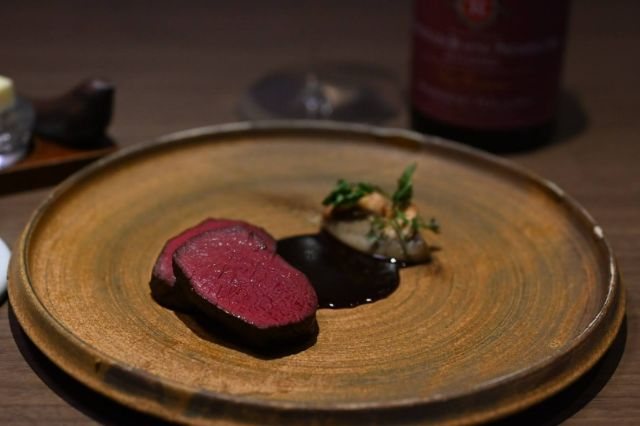
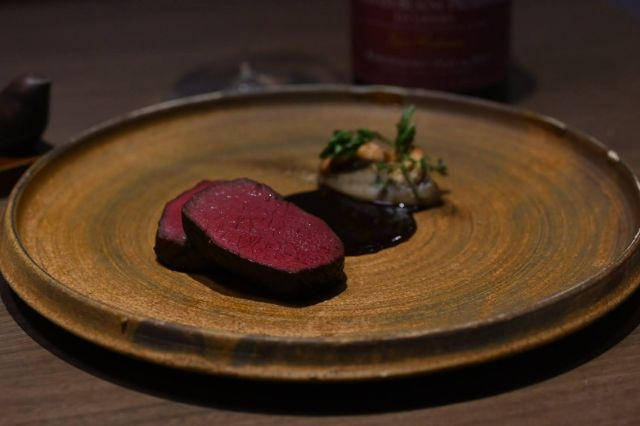
เนื้อกวาง ฮอกไกโด
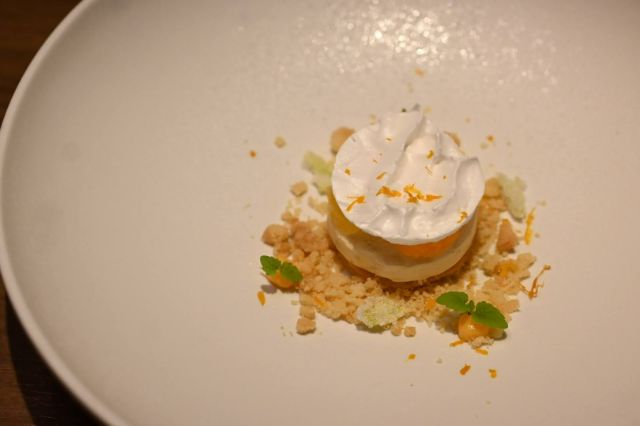
ขนม
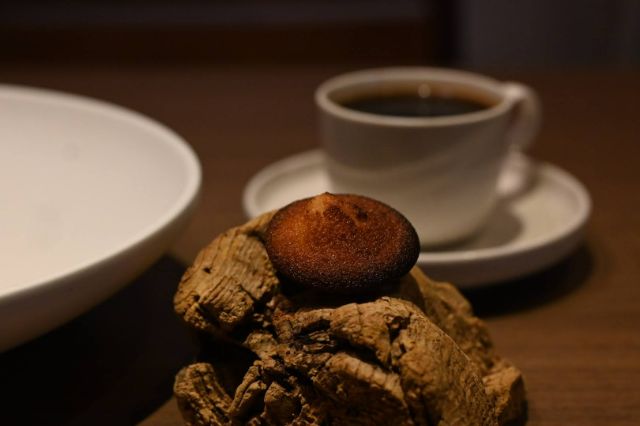
กลิ่นไม่ฉุนไปกว่าเนย แต่เปี่ยมด้วยความรู้ที่ว่าการบริโภคเนยนั้นกำลังทำสิ่งดีๆ ให้กับโลก ซึ่งนักการเงินผู้นี้ดูเหมือนจะเป็นส่วนเสริมที่ลงตัวกับเส้นทางการผจญภัยของลาตูเร
มรดกและความหมายของธรรมชาติ
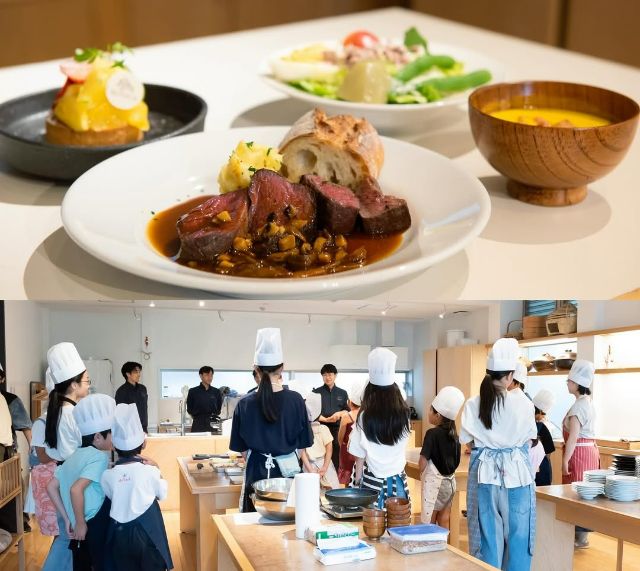
เขาทำงานร่วมกับผู้ผลิตอาหารกระป๋องเพื่อพัฒนาผลิตภัณฑ์จากเนื้อสัตว์ป่าที่ปรุงง่าย และจัดเวิร์คช็อปทำอาหารสำหรับเยาวชนเพื่อแนะนำเนื้อสัตว์ป่าเป็นแหล่งโปรตีนสำหรับการปรุงอาหารที่บ้าน โดยเชื่อว่าหากเนื้อสัตว์ป่าได้รับการยอมรับและแพร่หลายในฐานะอาหารหลักบนโต๊ะอาหาร มันอาจเป็นคำตอบสำหรับปัญหาด้านสิ่งแวดล้อมที่สำคัญที่สุดของญี่ปุ่นบางประเด็น และบางทีสักวันหนึ่งนักเรียนของเขาก็อาจกลายเป็นเชฟ และสานต่อความฝันของมูโรตะต่อไปในอนาคต
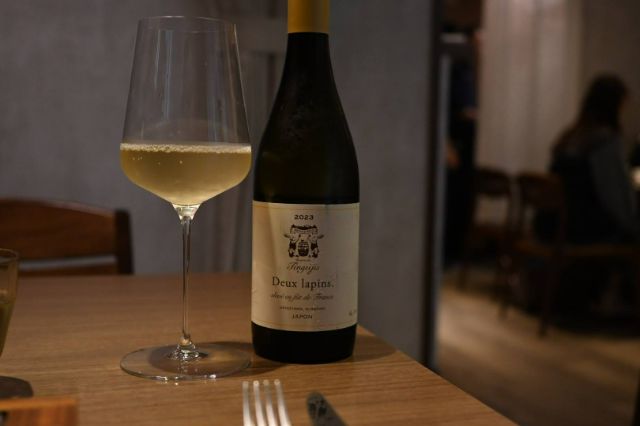
แม้แต่รายการไวน์ก็ยังมีการผสมผสานระหว่างไวน์ อาหารฝรั่งเศส และไวน์ในประเทศอย่างลงตัว เราได้ลิ้มลองไวน์ธรรมชาติจากจังหวัด ยะมะนะชิ ที่ทำจากองุ่นโคชูในประเทศ เจ้าของไร่องุ่นแห่งนั้นก็กล่าวถึงความสำคัญของสัตว์และธรรมชาติที่ไม่ถูกควบคุมในการช่วยให้ไวน์ของพวกเขาออกมาดีที่สุด แม้แต่ชื่อเล่นว่า Deux Lapins ก็ชวนให้นึกถึงภาพกระต่ายป่าในสวนผัก
การรับประทานอาหารอย่างยั่งยืนในปัจจุบันและอนาคต
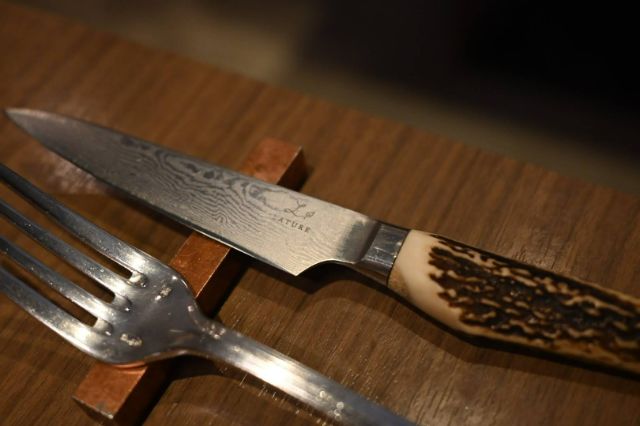
ด้วยความโชคดีและความพยายามอย่างหนักของเชฟอย่างมูโรตะ เนื้อสัตว์ป่าจะประสบความสำเร็จและเป็นที่รักและเป็นที่รู้จักของนักท่องเที่ยวเช่นเดียวกับไข่เจียวสไตล์เม็กซิกันอันโด่งดัง สำหรับตอนนี้ ลาตูเรเป็นตัวอย่างของอาหารพื้นเมืองที่ดีที่สุด คุ้มค่าแก่การแวะสำหรับทุกคนที่ต้องการลองอะไรที่แปลกใหม่และน่าจดจำระหว่างการเดินทาง
ลาเจอร์
ปิด:ไม่แน่นอน
ราคาเฉลี่ย:[Dinner] 20,000 JPY / [Lunch] 7,000 JPY
การเดินทาง:เดิน 6 นาทีจากทางออก B1 ของ สถานี Omote-sando (สาย โตเกียว Metro Hanzomon, Ginza และ Chiyoda) เดิน 7 นาทีจากทางออก Hikarie ของ สถานี JR Shibuya
ที่อยู่:ชั้น B1 อาคารอาโอยามะลุค 2-2-2 ชิบูย่า ชิบูย่า-โตเกียว แผนที่
ดูรายละเอียดเพิ่มเติมการจอง
คำชี้แจง: ข้อมูลที่ปรากฏทั้งหมดเป็นข้อมูลที่ถูกต้องในขณะเผยแพร่
ขอบคุณที่อ่านบทความของเรา
เป้าหมายของเราคือการพาคุณก้าวไปสู่อีกระดับของประสบการณ์การรับประทานอาหารโดยช่วยให้คุณค้นหาร้านอาหารที่ดีที่สุด ด้วย SAVOR JAPAN คุณสามารถค้นหาและจองโต๊ะได้
ร้านอาหาร อาหารฝรั่งเศส และร้าน ไวน์ ที่ตั้งอยู่ในและรอบๆ ชิบูย่า โอโมเตะซันโด ฮาราจูกุ และอาโอยามะ จะตอบโจทย์ความต้องการของคุณได้อย่างแน่นอน
ค้นพบร้านอาหาร อาหารฝรั่งเศส และร้าน ไวน์ เพิ่มเติมตามพื้นที่
- เขต โตเกียว
- ใกล้โตเกียว
- พื้นที่ เกียวโตและโอซากะ
- พื้นที่ ฮอกไกโด
- ตอนหนือของเกาะฮอนชู (โทโฮะกุ)
- ตอนกลางของเกาะฮอนชู (จูบุ)
- ทางตะวันตกของเกาะฮอนชู (จูโงะกุ)
- ชิโกะกุ
- คีวชู
- หมู่เกาะ โอะกินะวะ และริวกิว
ค้นหาร้านอาหารเพิ่มเติมที่ให้บริการ อาหารอิตาเลียน / อาหารฝรั่งเศส และ แอลกอฮอล์ ตามพื้นที่ต่างๆ
คำค้นหา
บทความที่เกี่ยวข้อง
-
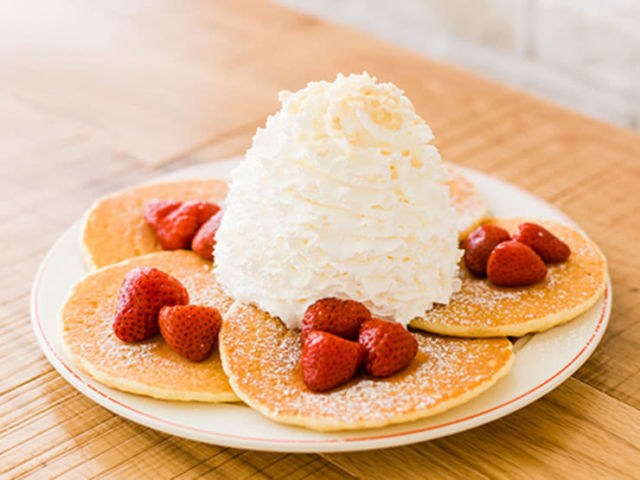
15 คาเฟ่ยอดนิยมในฮาราจูกุ ชิบูย่า และเอบิสุ ที่เสิร์ฟขนมหวานแสนอร่อย
มีคาเฟ่มากมายทั่วทั้งฮาราจูกุและชิบูย่า รวมถึงเอบิสุ ซึ่งขึ้นชื่อว่าเป็นแหล่งรวมร้านของหวานที่ดีที่สุดใน โตเกียว ร้านดังหลายแห่งแข่งขันกันอย่างดุเดือดเพื่อเสิร์ฟแพนเค้กที่ดีที่สุดในเมือง นี่คือบางร้านที่เสิร์ฟแพนเค้กและของหวานแสนอร่อยอื่นๆ
-
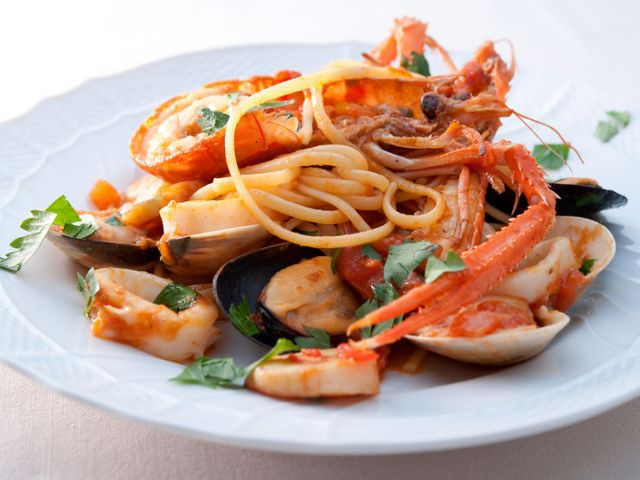
6 ร้านอาหารยอดนิยมสำหรับผู้ที่ชื่นชอบอาหาร อาหารอิตาเลียน และ อาหารฝรั่งเศส ใน โตเกียว
โตเกียว เมืองหลวงของญี่ปุ่น เป็นศูนย์กลางของกระแสและวัฒนธรรมที่หลากหลาย เต็มไปด้วยร้านอาหารมีสไตล์และสถานประกอบการมากมายที่เสิร์ฟอาหารต้นตำรับจากทั่วโลก ความอุดมสมบูรณ์ของร้านอาหารชั้นเลิศเป็นเอกลักษณ์ของ โตเกียว ในครั้งนี้ เราจะแนะนำร้านอาหาร อาหารอิตาเลียน และ อาหารฝรั่งเศส คุณภาพสูงและสร้างสรรค์ที่คุณสามารถเพลิดเพลินได้ใน โตเกียว
-
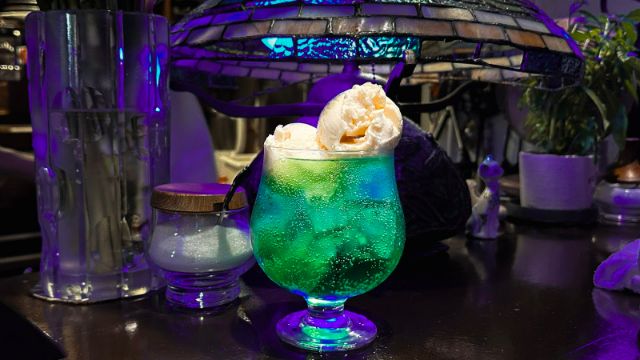
สัมผัสประสบการณ์ร้านกาแฟและคาเฟ่ญี่ปุ่นแบบดั้งเดิมที่ โตเกียว Kissaten
คิสซาเต็นของญี่ปุ่นคืออะไร และคิสซาเต็น โตเกียว ร้านไหนดีที่สุดสำหรับมือใหม่? มาดูบทนำสั้นๆ เกี่ยวกับร้านกาแฟแบบดั้งเดิมของญี่ปุ่นที่จะพาแขกผู้มาเยือนไปสัมผัสบรรยากาศแห่งความทรงจำ วัฒนธรรมคาเฟ่ และควันบุหรี่ที่อบอวลอยู่ในวันวาน
-
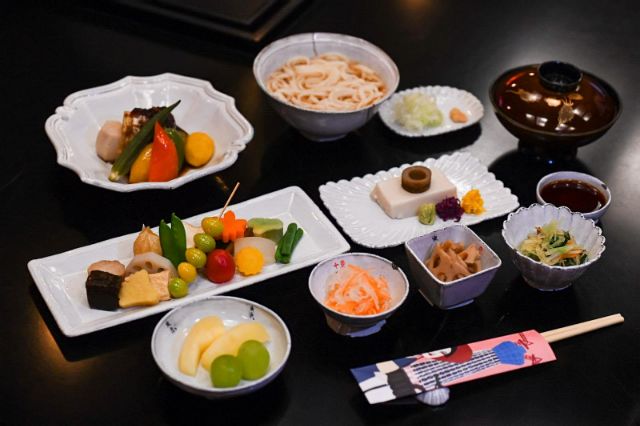
โตเกียว เดือนตุลาคม: รับประทานอาหารญี่ปุ่นพร้อมศิลปะและมังสวิรัติ อาหารมังสวิรัติแบบญี่ปุ่น Omakase ใน Omotesando
โตเกียว อ็อกโทเบอร์ เสิร์ฟอาหารญี่ปุ่นแบบดั้งเดิม รวมถึงอาหารมังสวิรัติแบบโชจินเรียวริและอาหารไคเซกิ ในบรรยากาศที่ดูเหมือนวัด ซึ่งออกแบบโดยศิลปิน อาหารฝรั่งเศส งานศิลปะและสถาปัตยกรรมมาจากบริษัทออกแบบชื่อดัง ในขณะที่อาหารรังสรรค์โดยเชฟผู้มีความหลงใหลและศึกษาอาหารญี่ปุ่นอย่างลึกซึ้ง เขาได้ติดตามอาหารญี่ปุ่นแบบดั้งเดิมไปจนถึงรากเหง้ามานานกว่าสามสิบปี โดยมีความเชี่ยวชาญเป็นพิเศษในพิธีชงชาญี่ปุ่นและศาสตร์แห่งการรับประทานอาหาร
-
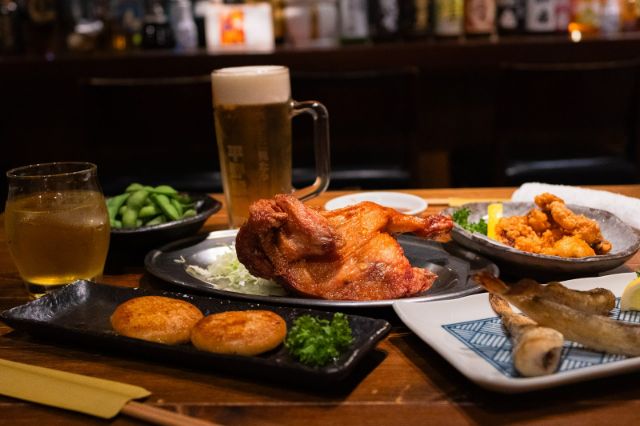
ต้องลอง ฮอกไกโด อิซากายะ ในชิบูย่า: คุชิโรยะ
ชิบูย่าเต็มไปด้วยร้านอาหารเล็กๆ มากมาย แต่คุณจะรู้ว่าคุณมาถึงคุชิโรยะแล้วเมื่อคุณเจอช่องมองลอดบนอาคารโดเก็นซากะที่ดูธรรมดาๆ ลงบันไดไป ผ่านรูปถ่ายของแขกที่มาใช้บริการ เชฟอุนุมะจะเสิร์ฟอาหารอิซากายะจากบ้านเกิดของเขา คุชิโระ ใน ฮอกไกโด ลองชิมอาหารพื้นเมืองหายากและสัมผัสความสนุกสนานและมิตรภาพในอิซากายะญี่ปุ่น "ที่สมบูรณ์แบบ" ของเชฟ
บทความใหม่
-
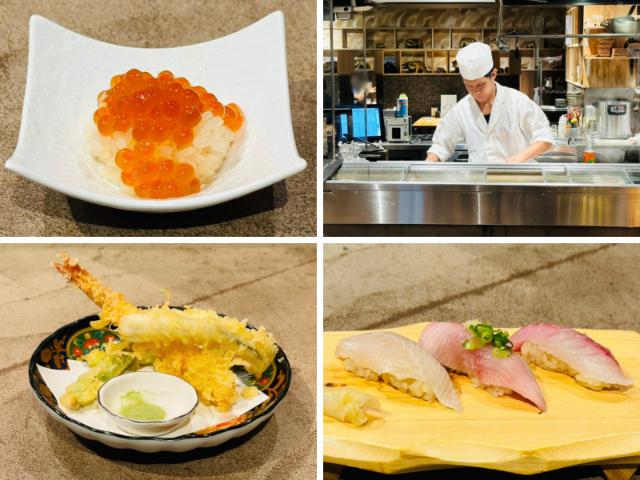
อาหารและซูชิ ฮอกไกโด ที่ดีที่สุดใน โตเกียว: Hokkaisushi ถึง โรบาตะ (ย่างถ่าน) Sushiyama Shinjuku
-
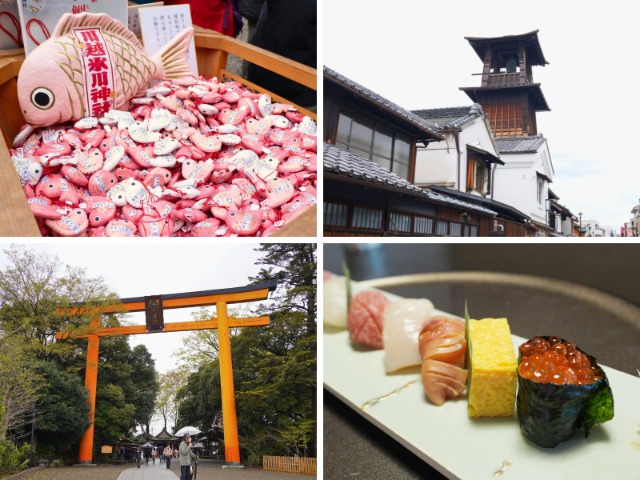
Kawagoe One-Day Tour Attractions Guide | Walking Route in Little Edo Near Tokyo, Visit Hikawa Shrine, Toki no Kane, and Kashi-ya Yokocho All in One Go
-
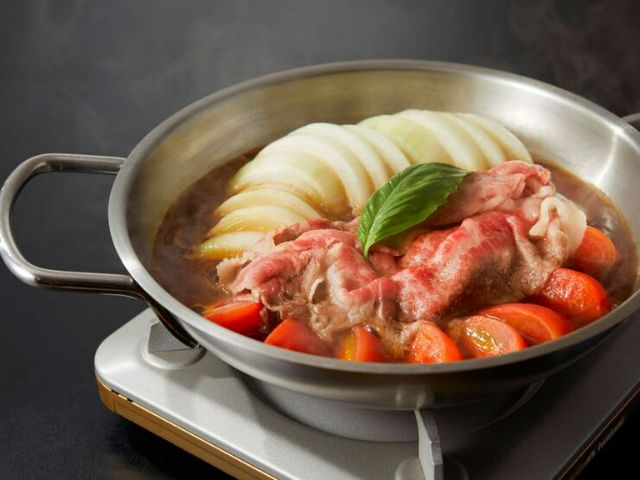
อาหารชุดไคเซกิ Mita Basara Bettei : สุกี้ยากี้เนื้อวา สุกี้ยากี้ญี่ปุ่น วสำหรับมื้อกลางวันที่รปปงหงิ โตเกียว
-
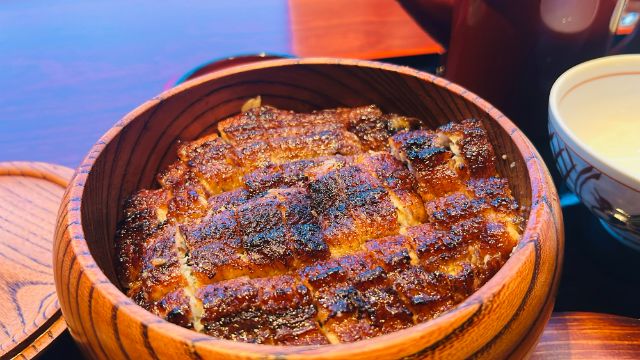
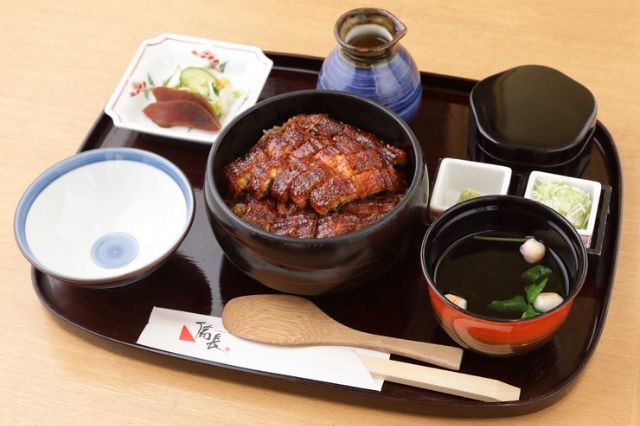
ร้านปลาไหลย่างที่ดีที่สุดใน โตเกียว: ประสบการณ์ฮิทสึมาบูชิระดับพรีเมียมที่ร้าน Sumiyaki Unafuji โตเกียว Opera City
-
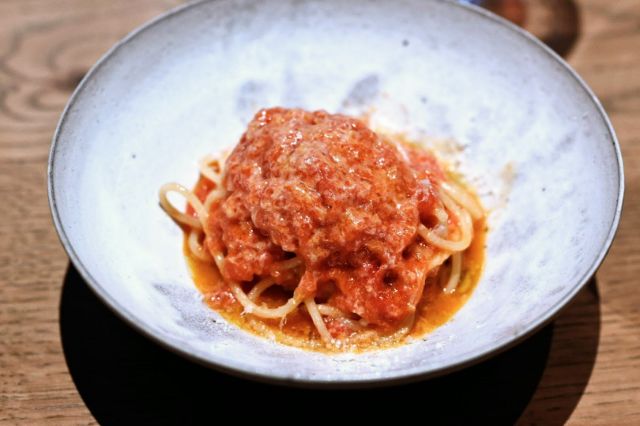
DepTH Brianza: ความสุขคือการเดินทางสู่อิตาลี ณ ร้านอาหารบนเนินเขาอาซาบูไดแห่งนี้
หมวดหมู่
อาหาร
- Bars (24)
-
Japanese Cuisine (706)
- Kaiseki (50)
- Nabe (22)
- Okonomiyaki (26)
- Shabu Shabu (39)
- Soba (19)
- Sushi (152)
- Tempura (20)
- Teppanyaki (46)
- Shojin Ryori (4)
- Tonkatsu (16)
- Kushiyaki (10)
- Yakitori (46)
- Sukiyaki (38)
- Japanese Cuisine (344)
- Oyster (4)
- Sashimi/ Seafood (34)
- Unagi (eel) (38)
- Motsu Nabe (offal hotpot) (11)
- Mizutaki (chicken hot pot) (4)
- Oden (9)
- Kaisendon (seafood bowl) (12)
- Udon (3)
- Taverns(Izakaya) Cuisine (136)
- Western Cuisine (42)
- Italian/French Cuisine (98)
- Yakiniku/Steak (236)
- Chinese Cuisine (27)
- Ramen (Noodles) Cuisine (25)
- Cafe/Sweets (70)
- Other Asian Cuisine (5)
- Global/International Cuisine (7)
- Alcohol (58)
- Other (11)
พื้นที่
- Shikoku (10)
- Kyoto and Osaka (356)
-
Tokyo (493)
- Tokyo (309)
- Ginza (52)
- Roppongi (27)
- Shibuya (30)
- Shinjuku (52)
- อาซากุสะ (21)
- เอบิสุ (15)
- ซึกิจิ (13)
- สถานที่สำคัญ โตเกียว (5)
- อุเอโนะ (24)
- Akihabara (9)
- อิเคะบุคุโระ (14)
- จิยูกาโอกะ, เดเนนโชฟุ, นากาเมกุโระ (9)
- ชิโมคิตะซาว่า (4)
- คิจิโจจิ (3)
- Tachikawa (1)
- โอโมเตะซันโด ฮาราจูกุ อาโอยามะ (20)
- อากาบาเนะ (1)
- Kagurazaka (4)
- อากาซากะ (10)
- โอไดบะ (2)
- สึกิชิมะ, ฮารุมิ, โทโยสุ (3)
- Near Tokyo (104)
- หมู่เกาะ โอะกินะวะ และริวกิว (59)
- Hokkaido (125)
- ตอนหนือของเกาะฮอนชู (โทโฮะกุ) (31)
- Central Honshu (Chubu) (147)
- ทางตะวันตกของเกาะฮอนชู (จูโงะกุ) (34)
- Kyushu (95)
เอกสารสำคัญ
- August 2026(5)
- July 2026(11)
- June 2026(10)
- May 2026(7)
- April 2026(18)
- March 2026(3)
- February 2026(13)
- January 2026(11)
- December 2025(9)
- November 2025(4)
- October 2025(3)
- September 2025(6)
- August 2025(11)
- July 2025(19)
- June 2025(18)
- May 2025(34)
- April 2025(43)
- March 2025(30)
- February 2025(36)
- January 2025(26)
- December 2024(69)
- November 2024(31)
- October 2024(15)
- September 2024(39)
- August 2024(65)
- July 2024(31)
- June 2024(54)
- May 2024(61)
- April 2024(28)
- March 2024(31)
- February 2024(42)
- January 2024(32)
- December 2023(20)
- November 2023(5)
- October 2023(10)
- September 2023(7)
- August 2023(18)
- July 2023(8)
- June 2023(8)
- May 2023(18)
- April 2023(15)
- March 2023(1)
- January 2023(1)
- April 2022(2)
- March 2022(2)
- February 2022(1)
- January 2022(1)
- July 2021(1)
- March 2021(1)
- February 2021(1)
- December 2020(1)
- October 2020(1)
- September 2020(2)
- August 2020(10)
- July 2020(6)
- June 2020(9)
- May 2020(11)
- April 2020(8)
- March 2020(8)
- February 2020(13)
- January 2020(9)
- December 2019(24)
- November 2019(8)
- August 2019(14)
- July 2019(15)
- June 2019(18)
- May 2019(17)
- April 2019(16)
- March 2019(22)
- February 2019(22)
- January 2019(26)
- December 2018(34)
- November 2018(40)
- October 2018(32)
- September 2018(11)
- August 2018(8)
- July 2018(6)
- June 2018(9)
- May 2018(10)
- April 2018(21)
- March 2018(74)
- February 2018(39)
- January 2018(26)
- December 2017(60)
คำค้นหา
- โอมากาเสะ
- สามารถเข้าถึงได้
- ซื้อได้
- กินได้ไม่อั้น
- ทิวทัศน์ที่น่าทึ่ง
- อะนิเมะ
- ศิลปะ
- ฤดูใบไม้ร่วง
- รางวัล
- สวนเบียร์
- อาหารเช้า
- คำแนะนำจากเชฟ
- ดอกซากุระ
- จีน
- ใกล้ สถานี
- เครื่องปรุง
- เคาน์เตอร์
- คูปอง
- ปู
- วัฒนธรรม
- ดัสไซ
- วันที่
- จัดส่ง
- ต้นฤดูร้อน
- คำแนะนำของบรรณาธิการ
- มีให้บริการเป็นภาษาอังกฤษ
- เหตุการณ์
- เอ็กซ์โป
- ใบไม้ร่วง
- เหมาะสำหรับครอบครัว
- ร้านอาหารชื่อดัง
- สถานที่ท่องเที่ยวที่มีชื่อเสียง
- อาหารจานด่วน
- งานเทศกาล
- ดอกไม้ไฟ
- ฟาร์มดอกไม้
- บริการ Wi-Fi ฟรี
- อาหารฝรั่งเศส
- ที่ตั้งดีเยี่ยม
- แนะนำ
- ฮิบาชิ
- หม้อไฟ
- วิธี
- ไฮเดรนเยีย
- สุขอนามัย
- การส่องสว่าง
- อาหารอิตาเลียน
- อิซากายะ
- ญี่ปุ่น
- แอลกอฮอล์ญี่ปุ่น
- จิงกิสุกัน
- อาหารชุดไคเซกิ
- คัปโปะ
- คูชิอาเกะ
- คุชิคัตสึ
- เกียวโต
- ดึกดื่น
- อาหารกลางวัน
- มารยาท
- มัตสึซากะกิว
- มิชลิน
- มิซึทากิ
- หลักสูตรตัวอย่าง
- มอนจายากิ
- โมตสึนาเบะ
- ภูเขาไฟฟูจิ
- เมนูหลายภาษา
- นาเบะ (หม้อไฟญี่ปุ่น)
- สนามบินนาริตะ
- ปีใหม่
- นินจา
- ก๋วยเตี๋ยว
- โอเด้ง
- โอโคโนมิยากิ
- โอโมเทนาชิ
- บ่อออนเซ็น
- โอซากะ
- โอซากะ สถานี
- สถานที่ถ่ายรูปสวย
- พิซซ่า
- พีอาร์
- ห้องส่วนตัว
- ราเม็ง
- การจัดอันดับ
- สูตรอาหาร
- อาหารประจำภูมิภาค
- รีสอร์ท
- ข้าวหน้าต่างๆ (ดงบุริ)
- สถานที่ศักดิ์สิทธิ์
- สาเก
- ซากุระ
- ซาชิมิ
- เม่นทะเล
- เขตเซโตะอุจิ
- ชาบูชาบู
- เที่ยวชมสถานที่
- จานเด็ดประจำร้าน
- โซบะ
- ยินดีต้อนรับลูกค้าที่มาทานเดี่ยว
- อาหารรสเผ็ด
- ฤดูใบไม้ผลิ
- สเต็ก
- ฤดูร้อน
- ดอกทานตะวัน
- ซูชิ
- ซื้อกลับบ้าน
- เทปปันยากิ
- ที่นั่งบนระเบียง
- โตเกียว
- ประสบการณ์ โตเกียว
- โตเกียว สกายทรี
- โตเกียว ทาวเวอร์
- อุนางิ
- ยูเนสโก
- มังสวิรัติ
- มังสวิรัติ
- วากิว
- เว็บไซต์ยอดนิยมสำหรับนักชิมแนะนำอะไรบ้าง
- วิสกี้
- ไวน์ บาร์
- ฤดูหนาว
- วิสทีเรีย
- เวิร์คช็อป
- แหล่งมรดกโลก
- นักเขียนโลก
- ยากินิกุ (เนื้อย่างสไตล์ญี่ปุ่น)
- โยโชคุ
- ยูบะ
- เซน
ค้นหาร้านอาหารตามพื้นที่
-

เขต โตเกียว
โตเกียว เมืองที่ใหญ่ที่สุดของญี่ปุ่น เป็นศูนย์กลางของวัฒนธรรมอาหารในญี่ปุ่น ร้านอาหารมากมาย โตเกียว เสิร์ฟอาหารทุกประเภทเท่าที่จะนึกออก และตลาดปลาโทโยสุก็เป็นแหล่งรวมของร้านอาหารที่ขายปลาคุณภาพดีที่สุดของประเทศ
-

ใกล้โตเกียว
บริเวณชายฝั่ง ภูเขา และหุบเขาที่รายล้อม โตเกียว เต็มไปด้วยสถานที่ท่องเที่ยว เช่น บ่อน้ำพุร้อนและลานสกี ซึ่งมีอาหารแปลกๆ หลายอย่างที่หาซื้อได้เฉพาะในท้องถิ่นเท่านั้น
-

พื้นที่ เกียวโตและโอซากะ
เมือง เกียวโตและโอซากะ รวมถึงพื้นที่โดยรอบ มีอิทธิพลต่อวัฒนธรรมการทำอาหารของญี่ปุ่นอย่างมากตั้งแต่ศตวรรษที่ 7 ภูมิภาคนี้มีชื่อเสียงด้านความบันเทิง เนื้อโกเบ และอาหารดั้งเดิมที่หลากหลาย
-

พื้นที่ ฮอกไกโด
เกาะ ฮอกไกโด เป็นแหล่งผลิตผลคุณภาพเยี่ยมหลากหลายชนิด เช่น ข้าว เนื้อ ผัก ปลา และผลไม้ อาหารยอดนิยมของ ฮอกไกโด ได้แก่ โรบาตะยากิ (อาหารที่ย่างอย่างช้าๆ บนไม้เสียบ) และราเม็งมิโซะซัปโปโร
-

ตอนหนือของเกาะฮอนชู (โทโฮะกุ)
เกาะฮอนชู ซึ่งเป็นเกาะหลักของประเทศญี่ปุ่น ขึ้นชื่อในเรื่องผลไม้และผักตามฤดูกาล ผลผลิตปลาที่มากที่สุดของประเทศ (โดยเฉพาะปลาทูน่าจากโอมะ) และเนื้อวัวแสนอร่อยจากโยเนซาวะ เซนได และ ยะมะงะตะ
-

ตอนกลางของเกาะฮอนชู (จูบุ)
จูบุ ตั้งอยู่ใจกลางเกาะฮอนชู เกาะหลักของญี่ปุ่น วัฒนธรรมด้านอาหารของชูบุสะท้อนถึงตำแหน่งที่ตั้งระหว่างซีกโลกตะวันตกและซีกโลกตะวันออกของญี่ปุ่น เนื้อฮิดะอันแสนอร่อย ภูเขาไฟฟูจิอันเลื่องชื่อระดับโลก และโรงเหล้าสาเกชื่อดังหลายแห่งตั้งอยู่ใน จูบุ
-

ทางตะวันตกของเกาะฮอนชู (จูโงะกุ)
จูโงะกุ ซึ่งตั้งอยู่ทางตะวันตกเฉียงใต้ของเกาะหลักของประเทศญี่ปุ่นอุดมไปด้วยผลผลิตที่หลากหลาย ผลิตภัณฑ์หลายอย่างได้รับการยกย่องว่าเป็นผลิตภัณฑ์ที่ดีที่สุดของญี่ปุ่น รวมถึงปูมัตสึบะจาก ทตโตะริ และหอยนางรมจาก ฮิโระชิมะ ลูกแพร์และมัสกัตของที่นี่ยังเป็นผลิตภัณฑ์คุณภาพเยี่ยมอีกด้วย
-

ชิโกะกุ
สภาพอากาศที่อบอุ่นของ ชิโกะกุ เหมาะอย่างยิ่งสำหรับการปลูกผลไม้ตระกูลส้ม เช่น ซูดาจิ นอกจากนี้ ชิโกะกุ ยังมีชื่อเสียงในเรื่องบะหมี่ซานุกิอุด้ง กุ้งลายเสือจำนวนมากจากจังหวัด เอะฮิเมะ เมะ และปลาโทราฟุกุ (ปลาปักเป้าลายเสือ) ที่ดีที่สุดในประเทศ
-

คีวชู
วัฒนธรรม ตะวันตก ได้รับการแนะนําให้รู้จักกับญี่ปุ่นเป็นครั้งแรกผ่านทาง คีวชู ซึ่งเป็นเกาะที่ใหญ่เป็นอันดับสามของญี่ปุ่น ซึ่งอิทธิพลของอาหารโปรตุเกสและอาหารตะวันตกอื่นๆ มีอิทธิพลต่อการสร้างประเพณีการทําอาหารที่มีสีสัน
-

หมู่เกาะ โอะกินะวะ และริวกิว
โอะกินะวะ ว่า ซึ่งเป็นจังหวัดที่อยู่ใต้สุดของญี่ปุ่น เป็นแหล่งรวมอาหารและเครื่องดื่มอันเป็นเอกลักษณ์ที่ได้รับความนิยมไปทั่วญี่ปุ่น เช่น โซบะ โอะกินะวะ ว่า ซูชิหน้าต่างๆ ที่เป็นเอกลักษณ์ และเหล้ากลั่น เหล้าอาวะโมริ